Skip to content

Have you ever imagined crossing the finish line of Austin’s famous Cap10K, feeling strong, confident, and proud of yourself?
That moment is not just for seasoned athletes. With the right plan, anyone can train for a 10K — even if you’re starting fresh. As a certified personal trainer who has coached runners at all levels, I’ve seen people who never thought they could run finish the Cap10K with a huge smile on their face. All it takes is consistency, patience, and a structured training approach.
The Capitol 10K, widely known as the Cap10K, is the largest 10K race in Texas and one of the top running events in the country. More than 18,000 people take part every year. From the scenic views of Lady Bird Lake to the energetic crowds downtown, the Cap10K captures the true spirit of Austin.
This guide will walk you through everything you need to train effectively—whether it’s your first race or you’re looking to improve your performance.
What Makes the Cap10K Special
The Cap10K is more than a run; it’s a community event that brings together families, seasoned runners, walkers, groups, and hobby joggers. You’ll move through iconic Austin spots like Congress Avenue Bridge, Auditorium Shores, and the Texas State Capitol. The course offers a mix of flat sections and rolling hills, making it challenging but incredibly fun.
One of my clients, Sarah from Austin, trained for eight weeks before running her first Cap10K.
“Crossing that finish line felt like such an accomplishment. The crowd energy kept me going even when I felt tired,” she shared.
Stories like hers are a reminder that with the right plan, anyone can do this.
How Long You Need to Train
Training time depends on your current fitness level, but here’s a simple guideline:
- Beginners: around 8 to 10 weeks
- Intermediate runners: 6 to 8 weeks
- Experienced runners: 4 to 6 weeks
Most people can comfortably train for a 10K by running just three to four days a week. Consistency matters more than speed.
Weekly Training Structure
A solid Cap10K training plan includes a mix of different types of workouts.
Easy Runs
Help build your base endurance. These should feel comfortable and conversational.
Long Runs
Gradually extend your distance. These runs prepare your body for the full 10K.
Speed Work
Includes intervals or tempo runs. This improves your running efficiency and helps you get faster over time.
Strength Training
Essential for injury prevention. Even two 30-minute strength sessions per week can improve running performance.
Cross-Training
Activities like swimming, cycling, or Pilates give your joints a break while keeping your cardiovascular fitness high.
Rest Days
Recovery is part of training. This is when your muscles rebuild and get stronger.
Understanding the Cap10K Course
Knowing the course helps you train smarter. The race typically starts on Congress Avenue, moves through South First Street, and loops around Lady Bird Lake before finishing near Vic Mathias Shores.
The course includes:
- A gradual incline heading toward the Capitol
- Rolling hills during the middle section
- Scenic flat areas near the lake
Including one hill workout per week is enough to prepare your legs for these elevation changes.
Want to learn more about running in Austin? Check out our guide on how to prepare for your first Austin marathon.
Training in Austin’s Weather
Austin’s weather can be warm or humid, depending on the season. This affects how your body performs.
- Early morning runs offer cooler, more comfortable conditions
- Staying hydrated is essential; even 2% dehydration can reduce performance
- Electrolytes help replenish what you lose through sweat
- Start slow when training in warm conditions. It takes about two weeks for the body to adapt to heat
Strength Training for a Stronger, Faster Run
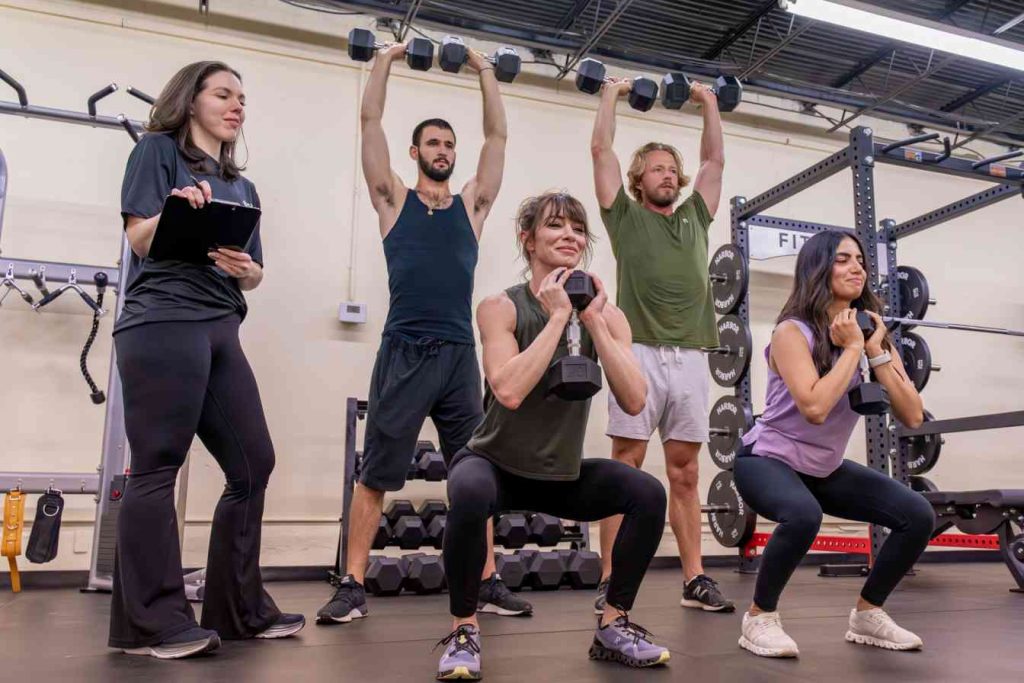
Strength work is one of the most overlooked aspects of 10K training. It builds power, improves stability, and lowers injury risk.
Focus on:
- Squats, lunges, and deadlifts for strong legs
- Planks and side planks for core stability
- Calf and ankle exercises for better push-off strength
Aim for two sessions per week. You don’t need heavy weights. Bodyweight or light dumbbells are enough.
For more insights to complement your training, don’t miss this helpful guide on choosing the right running shoes for your 10K prep—check it out here and take another stride toward success!
Best Places to Train in Austin
Austin is full of runner-friendly locations that make training enjoyable.
- Lady Bird Lake Hike-and-Bike Trail
- Barton Creek Greenbelt
- Shoal Creek Trail
- Walnut Creek Metropolitan Park
- Zilker Park loops
Many runners also join local groups like Austin Runners Club to stay consistent and motivated.
Fueling and Nutrition Tips
Nutrition plays a major role in how you perform during training.
Daily Eating Habits
Focus on balanced meals with whole grains, lean proteins, fruits, and vegetables.
Pre-Run Snacks
Choose foods that digest easily like bananas, toast with honey, or yogurt.
Race-Day Breakfast
Eat 1.5 to 2 hours before the run. Oatmeal, a fruit smoothie, or a bagel are great options.
Hydration
Drink water steadily throughout the day instead of drinking large amounts right before your run.
Gear Checklist for the Cap10K
Shoes are the most important piece of gear. A proper fit can prevent blisters, knee pain, and shin splints. Replace running shoes every 300 to 500 miles.
Wear light, moisture-wicking clothing to stay comfortable. Extras like a running belt, hat, sunglasses, or a GPS watch can help, but they aren’t mandatory.
Injury Prevention and Recovery
Most running injuries happen when you increase speed or mileage too quickly.
To reduce your risk:
- Warm up with dynamic stretching
- Cool down with light stretching
- Add foam rolling sessions
- Follow the 10 percent rule: don’t add more than 10 percent to your weekly mileage
Race Week Tips
Reduce your training load by about one-third the week before the race. This taper helps your legs feel fresh on race day.
Sleep well, stay hydrated, keep meals simple, and layout your race gear ahead of time.
Race Day Strategy
The biggest mistake beginners make is starting too fast. Run your first mile slightly slower than your goal pace, then settle into a comfortable rhythm.
Short, quick steps help you climb hills efficiently. Relax your shoulders, breathe deeply, and enjoy the atmosphere. Austin’s cheering crowds make the last mile feel surprisingly easy.
Post-Race Recovery
After you cross the finish line:
- Walk a few minutes to cool down
- Hydrate
- Eat a snack with carbs and proteins
- Stretch lightly
- Celebrate your accomplishment
Many runners head out for a post-race brunch around downtown Austin or near Lady Bird Lake.
Frequently Asked Questions
Can beginners run the Cap10K?
Yes. With 8 to 10 weeks of training, most beginners can comfortably finish the race.
How many days per week should I train?
Three to four days is ideal for most runners. More advanced runners may train five days a week.
Is it okay to walk during the Cap10K?
Absolutely. Many participants use a run-walk strategy.
What’s a good finish time for a 10K?
Beginners often finish between 60 to 75 minutes. Intermediate runners may finish between 45 to 60 minutes.
What if I’ve never run a race before?
The Cap10K is a great first race. The crowd support, scenic route, and friendly energy make it ideal for beginners.
Join the Community and Achieve Your Goals
At Community Strength Austin, we’re here to support you, whether you’re preparing for your first Cap10K or aiming to improve your personal best. Our personal trainers in Austin specialize in creating customized training plans tailored to your goals and experience level. From building endurance to perfecting your form, we’ve got you covered every step of the way.
Contact us today to start your personalized training journey and make your next race your best one yet!