Skip to content

What if your weekend didn’t leave you feeling tired and sluggish—but instead helped you feel stronger, more energized, and mentally refreshed for the week ahead? A fitness-focused weekend in Austin can do exactly that when it’s planned with intention. As a certified personal trainer, I’ve seen how just two well-structured days of movement, nutrition, and recovery can reset both the body and mind.
Austin’s active lifestyle, outdoor culture, and growing fitness community make it one of the best cities to build healthy weekend routines—whether your goal is weight loss, muscle gain, stress relief, or simply feeling better overall.
Start With Clear Fitness Goals for the Weekend
Before choosing workouts or locations, it’s important to define what you want to achieve. Some people focus on fat loss, others want strength training or muscle building, while many are simply looking to stay active and reduce stress after a long workweek.
From a coaching standpoint, weekends work best when goals are realistic and balanced. A mix of one challenging workout, one lighter recovery-focused session, and daily movement such as walking or stretching keeps your body active without overtraining.
Plan Your Weekend Workout Schedule
Your weekend workouts should match your energy levels.
Friday evenings are ideal for light movement. After sitting or working all week, mobility exercises, stretching, or low-intensity strength training help release tight muscles and calm the nervous system.
Saturday is usually the best day for a main workout. Morning sessions are especially effective in Austin due to rising temperatures. Strength training, small group fitness, or a full-body workout helps build muscle, increase metabolism, and improve overall conditioning.
Sunday should focus on active recovery. Light cardio, long walks, stretching, or mobility work reduce soreness and prepare your body for the upcoming week. Research shows people who schedule recovery days are significantly less likely to experience training-related injuries.
Choose the Right Fitness Locations in Austin

Austin offers excellent indoor and outdoor fitness options, and the best choice depends on your goals and the weather.
Indoor training environments like personal training studios and gyms provide structure, proper equipment, and controlled temperatures. These settings are ideal for strength training, improving form, and progressive overload, which is essential for muscle growth.
Outdoor workouts offer mental health benefits and variety. Locations like Lady Bird Lake, Zilker Park, and Barton Creek Greenbelt are great for walking, jogging, and bodyweight workouts. Studies suggest outdoor exercise can lower stress levels and improve mood compared to indoor-only training.
Many people find success combining both indoor and outdoor workouts during the weekend.
Looking for more outdoor fitness inspiration? Check out this guide to the top outdoor workout spots in Austin and find your next favorite training location
Build Nutrition Into Your Fitness Weekend
Exercise alone won’t deliver results without proper nutrition. Planning meals for the weekend supports energy, recovery, and consistency.
Before workouts, meals with protein and complex carbohydrates help fuel performance. Hydration is especially important in Austin’s warm climate, as even mild dehydration can negatively impact strength and endurance.
After workouts, protein-rich meals support muscle repair and recovery. Simple, balanced meals work best and help prevent the common cycle of weekend overeating followed by weekday restriction.
A flexible nutrition approach—not extreme dieting—leads to better long-term results.
Prioritize Recovery and Injury Prevention
Recovery is a key part of any effective fitness plan.
Stretch therapy, mobility exercises, and foam rolling improve joint movement and reduce muscle stiffness. Many Austin residents spend long hours sitting during the week, which can lead to tight hips, shoulders, and lower back discomfort.
Sleep also plays a major role. Research shows that poor sleep can significantly reduce muscle recovery and increase injury risk. Proper hydration and electrolyte balance further support recovery, especially after sweating in warm conditions.
Adjust Your Fitness Plan for Austin’s Weather

Austin’s climate requires smart planning.
During summer, early morning workouts and indoor training are safer and more sustainable. In cooler months, consistency becomes more important than intensity. Short, regular workouts often deliver better results than long, irregular sessions.
Adapting your plan to the environment helps you stay active year-round.
Add Fun, Lifestyle-Based Activities
Fitness doesn’t always need to feel structured. Activities like hiking, cycling, kayaking, or long walks still contribute to calorie burn, cardiovascular health, and mental wellbeing.
People who enjoy their physical activity are far more likely to stick with it long term. Social and family-friendly activities also increase motivation and accountability.
Balance Fitness With Enjoyment
One common mistake is trying to do too much in a short time. Overtraining on weekends can lead to soreness, fatigue, and skipped workouts during the week.
A balanced weekend supports your body rather than exhausting it. Sustainable fitness is built through consistency and smart planning, not extremes.
Sample Fitness-Focused Weekend in Austin
A simple structure that works for many people includes light mobility or stretching on Friday, a full-body strength workout on Saturday, and active recovery like walking or stretching on Sunday.
Many clients report better energy levels, improved sleep, and reduced stress after adopting this type of weekend routine. One client shared that planning workouts ahead of time helped them finally stay consistent and see progress.
Common Weekend Fitness Mistakes
Trying to make up for missed workouts, skipping hydration, ignoring recovery, or eating without structure are common issues. These habits slow progress and increase injury risk. A planned approach helps avoid these setbacks.
How Personal Trainers Help Maximize Weekend Fitness
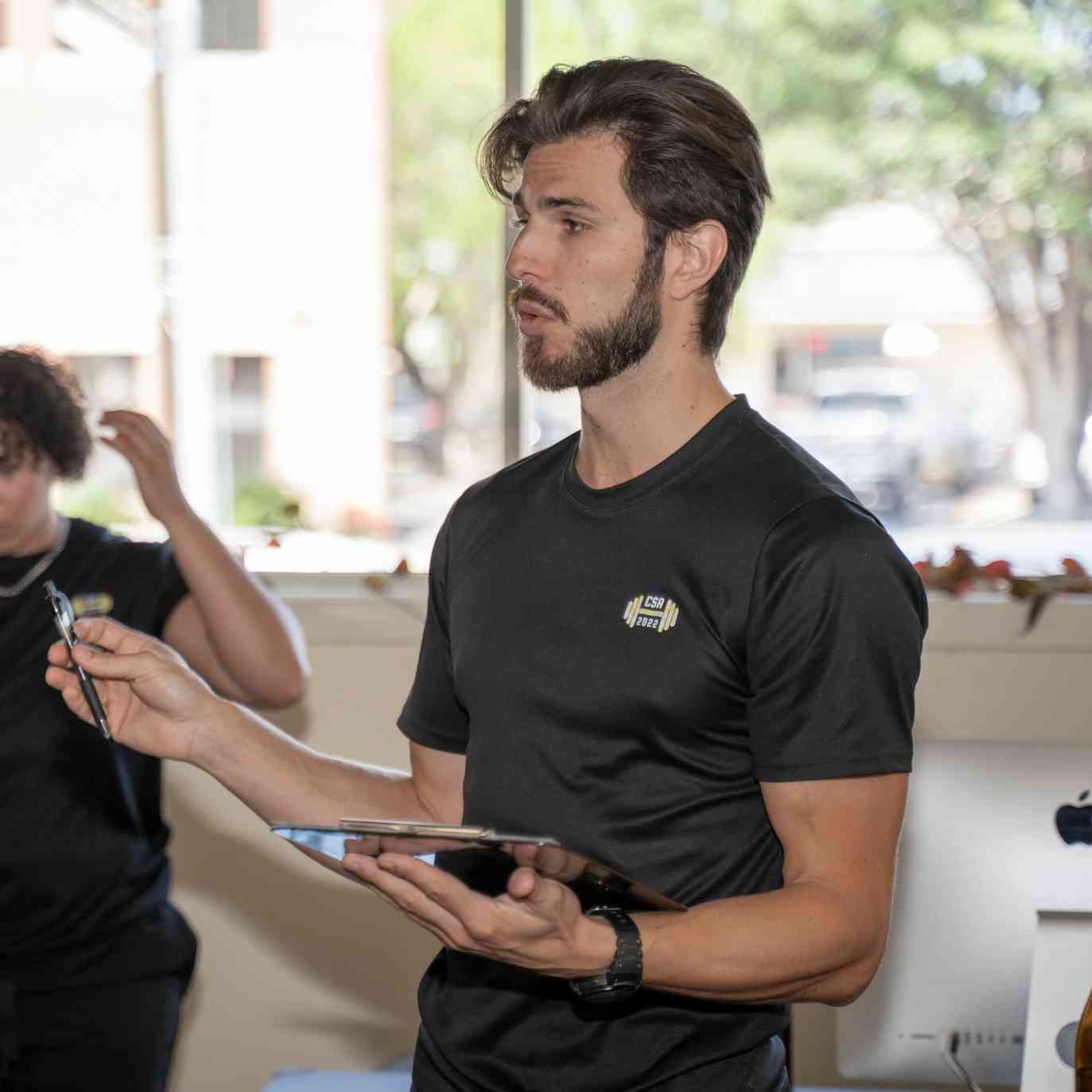
Working with a personal trainer provides structure, accountability, and proper technique. Weekend sessions are especially helpful for busy professionals who struggle to train during the week.
Combining training, nutrition guidance, and recovery strategies simplifies the process and improves results.
Discover how others have achieved incredible results and transformed their routines by exploring these inspiring success stories from personal trainers in Austin.
Final Thoughts
A fitness-focused weekend in Austin isn’t about perfection. It’s about making intentional choices that support your health and lifestyle. With balanced workouts, proper nutrition, and recovery, your weekends can become the foundation for long-term fitness success.
Frequently Asked Questions (FAQs)
Is a fitness-focused weekend enough to stay in shape?
A well-planned weekend can significantly support fitness, especially when combined with light movement during the week. While results are faster with more frequent training, consistent weekend workouts are far better than none.
What’s the best time to work out on weekends in Austin?
Early mornings are ideal, particularly during warmer months. Temperatures are lower, hydration is easier to manage, and energy levels tend to be higher.
Should beginners work out both days of the weekend?
Yes, but intensity matters. One structured workout and one recovery-focused session works well for beginners and reduces soreness or injury risk.
Are outdoor workouts better than indoor workouts?
Both have benefits. Outdoor workouts improve mood and reduce stress, while indoor workouts allow better control over intensity, equipment use, and form.
How long should weekend workouts be?
Most people see great results with 45 to 75 minutes per session. Quality matters more than duration.