Skip to content
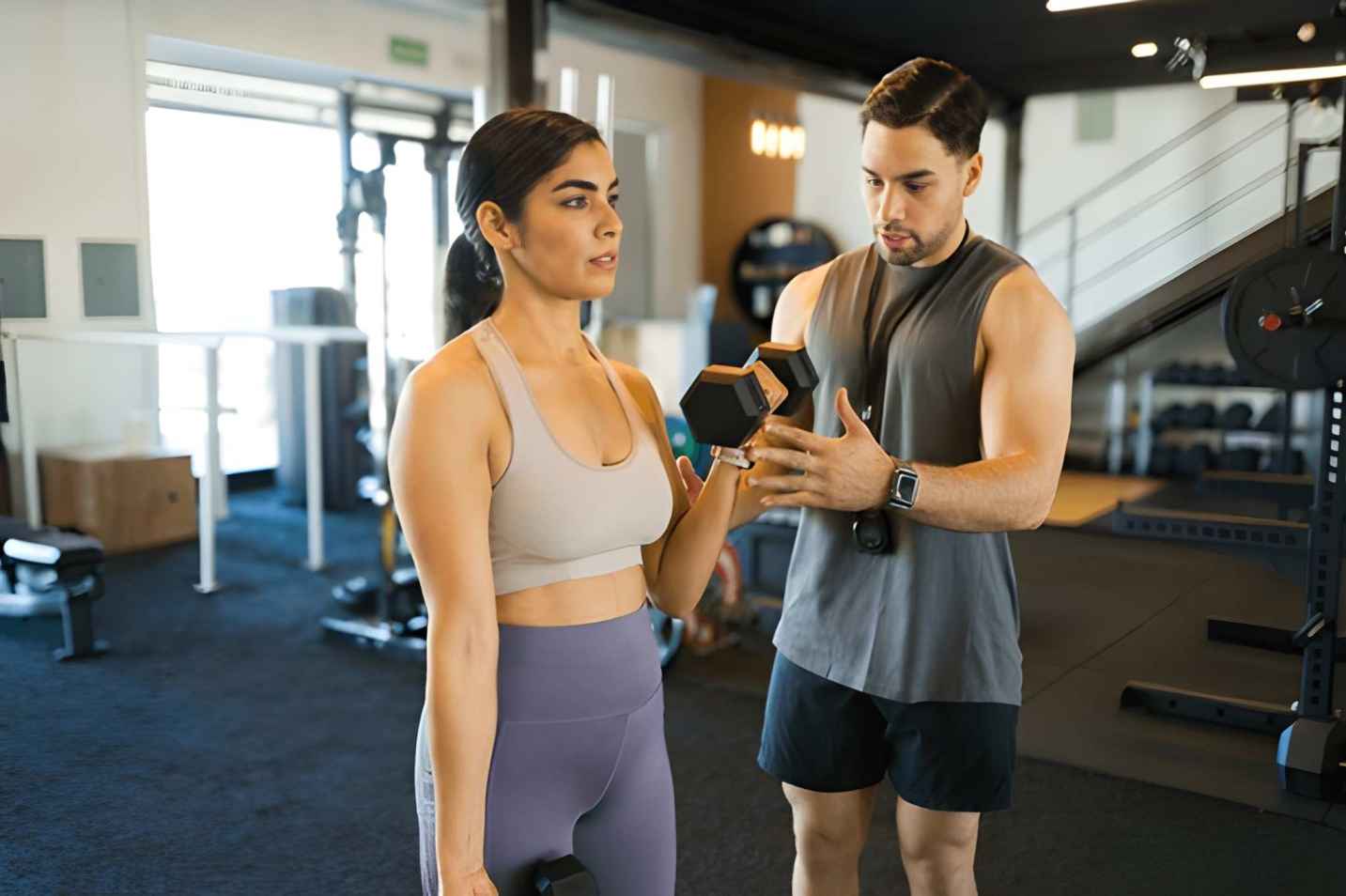
Have you ever stood in the gym holding dumbbells and wondered, should I lift heavier for fewer reps or go lighter and do more repetitions for better biceps?
This is one of the most common questions beginners and experienced lifters ask. The truth is, both methods work — but they work in different ways depending on your goal.
As a certified personal trainer, I’ve seen people waste months doing only one style of training because they heard it was “best.” In reality, muscle growth, strength, endurance, and arm shape all respond differently to training volume, intensity, and repetition range.
Understanding how your muscles actually respond to different rep ranges can help you train smarter instead of just harder.
In this guide, we’ll break down high-rep vs. low-rep bicep curls in simple language, explain the science behind muscle growth, and help you decide which approach fits your goals.
Understanding Rep Ranges in Strength Training
Before comparing the two, it helps to understand what reps actually mean.
A repetition (rep) is one complete movement of an exercise. A set is a group of reps performed together. The number of reps you perform usually determines how heavy the weight is and how your muscles adapt.
In general:
- Low reps usually mean heavier weights (1–5 reps)
- Moderate reps involve moderate weight (6–12 reps)
- High reps use lighter weights (13–20+ reps)
Each range creates a slightly different stimulus in the muscle. Strength training isn’t just about lifting weight — it’s about creating enough tension and fatigue in the muscle to force it to adapt.
Why Bicep Anatomy Matters
The biceps are not just one muscle. The main muscle, the biceps brachii, has two heads — the long head and the short head — which give your arm its peak and thickness. Supporting muscles like the brachialis and brachioradialis also help during curls and contribute to arm size.
Muscles contain different fiber types. Fast-twitch fibers respond well to heavy loads and explosive strength work, while slow-twitch fibers respond better to endurance-style training with higher reps. Since the biceps contain a mix of both, they respond well to a variety of rep ranges.
This is one reason why people who only train heavy or only train light often stop progressing.
High-Rep Bicep Curls Explained
High-rep bicep curls typically involve 13 to 20 or more repetitions using lighter weights. You’ll feel a strong muscle pump, burning sensation, and increased blood flow to the arms.
Benefits of High-Rep Training
High-rep training improves muscular endurance. Your muscles learn to work longer before getting tired. Many people also find it easier to focus on the mind-muscle connection when using lighter weights, which helps improve technique.
Another advantage is reduced stress on joints and tendons. Lifters with elbow discomfort or beginners learning proper form often benefit from higher reps because the risk of injury is lower.
High-rep training also increases metabolic stress — the “burn” you feel — which plays a role in muscle growth. Research in resistance training shows that muscle hypertrophy can occur even with lighter weights when sets are taken close to fatigue.
Limitations of High Reps
The main downside is that high reps alone may not build maximal strength. If the weight is too light, the muscle may not receive enough mechanical tension to grow optimally. Sessions can also become longer since more repetitions are required.
When High Reps Work Best
High-rep curls are useful during cutting phases, as finishing exercises, during rehabilitation, or for beginners who are still mastering form.
Many physique athletes use high reps at the end of workouts to increase muscle pump and improve muscle detail.

Low-Rep Bicep Curls Explained
Low-rep training usually involves lifting heavier weights for about 4–6 repetitions per set. The focus here is strength and power rather than endurance.
Benefits of Low-Rep Training
Heavy curls recruit more fast-twitch muscle fibers, which have greater potential for growth and strength. Over time, lifting heavier weights improves neuromuscular efficiency — your brain and muscles learn to work together more effectively.
This type of training also makes progressive overload easier. When you get stronger, you can gradually increase weight, which is one of the key drivers of muscle growth.
Many experienced lifters notice that once their overall strength improves, their arm size increases as well.
Limitations of Low Reps
Low-rep training requires strict form and proper warm-up. Using heavy weights with poor technique often leads to swinging the body instead of isolating the biceps. There is also more stress on the elbows and tendons compared to lighter training.
When Low Reps Work Best
Low reps are ideal for strength-focused phases, experienced lifters, or individuals trying to break plateaus in muscle growth.
High Reps vs Low Reps for Muscle Growth

This is where many people get confused. For years, people believed that heavy weights build size and light weights only tone muscles. Modern research shows the reality is more nuanced.
Muscle growth happens mainly through:
- Mechanical tension (heavy loading)
- Metabolic stress (muscle burn and fatigue)
- Muscle damage from training stimulus
Low reps create more mechanical tension, while high reps create more metabolic stress. Both contribute to hypertrophy when total training volume is sufficient.
This is why the moderate rep range (6–12 reps) is often considered the “sweet spot.” It combines enough weight with enough time under tension to stimulate growth effectively.
| Low Reps (1–5) | Moderate Reps (6–12) | High Reps (12+) |
|---|---|---|
| Focus on mechanical tension | Balanced tension and stress | Focus on metabolic stress |
| Heavy weight | Moderate weight | Lighter weight |
| Primarily builds strength | Optimal for hypertrophy | Enhances muscular endurance |
| Short time under tension | Moderate time under tension | Long time under tension |
| Requires longer rest periods | Moderate rest periods | Short rest periods |
To take your arm gains to the next level, check out our 5-day bicep workout plan—it’s full of strategies to boost bicep size and strength.
Which Is Better for Your Goal?
If your goal is bigger arms, combining different rep ranges usually works best. Heavy sets build strength and thickness, while higher reps improve muscle fullness and endurance.
If your goal is strength, lower reps with heavier weights should be the foundation.
If your goal is muscle definition, remember that definition mainly comes from lower body fat levels, not just high reps. Resistance training combined with proper nutrition produces the best results.
Beginners generally progress faster using moderate to higher reps because they can focus on learning movement patterns safely.
Older lifters or those with joint issues often benefit from slightly higher reps to reduce strain while still stimulating muscle growth.
Should You Combine High and Low Reps?
In real-world training, the best programs rarely use only one rep range. Many successful athletes use periodization — changing rep ranges over time.
For example, you might start your workout with heavier curls for strength and finish with lighter, higher-rep sets for muscle fatigue and pump. This approach trains multiple muscle fibers and prevents adaptation.
A simple example:
- Heavy barbell curls: 4–6 reps
- Dumbbell curls: 8–12 reps
- Cable curls: 15–20 reps
This combination covers strength, hypertrophy, and endurance in one session.
Common Mistakes in Bicep Curl Training
One of the biggest mistakes is using momentum instead of muscle. Swinging the body reduces tension on the biceps and increases injury risk.
Another mistake is chasing heavy weights too early. Ego lifting often leads to poor form and elbow pain. On the other side, using weights that are too light without reaching fatigue also limits progress.
Training only one rep range for months can slow results because the muscle adapts to the same stimulus.
Take your arm training to the next level with “21s Bicep: The Ultimate Guide.” Unlock innovative techniques to transform your bicep routine and achieve maximum results. Don’t miss out!
Real-Life Experience and Testimonials
Many clients I’ve trained initially believed high reps were only for toning. After introducing heavier sets, they noticed faster strength gains and visible arm growth within weeks. Others who only lifted heavy experienced elbow discomfort until higher-rep accessory work improved muscle balance and recovery.
A common feedback I hear is, “My arms finally feel worked when I combine both styles.”
Final Verdict
So, which is better — high reps or low reps? The honest answer is neither is universally better. The best choice depends on your goal, experience level, and recovery ability.
Low reps build strength and create the foundation for muscle growth. High reps improve endurance, muscle pump, and joint-friendly training. When combined intelligently, they produce the best overall results for bigger, stronger, and healthier biceps.
If you want long-term progress, don’t choose sides. Train smart, vary your rep ranges, and focus on consistent effort with proper form. That’s what truly builds impressive arms.