Skip to content
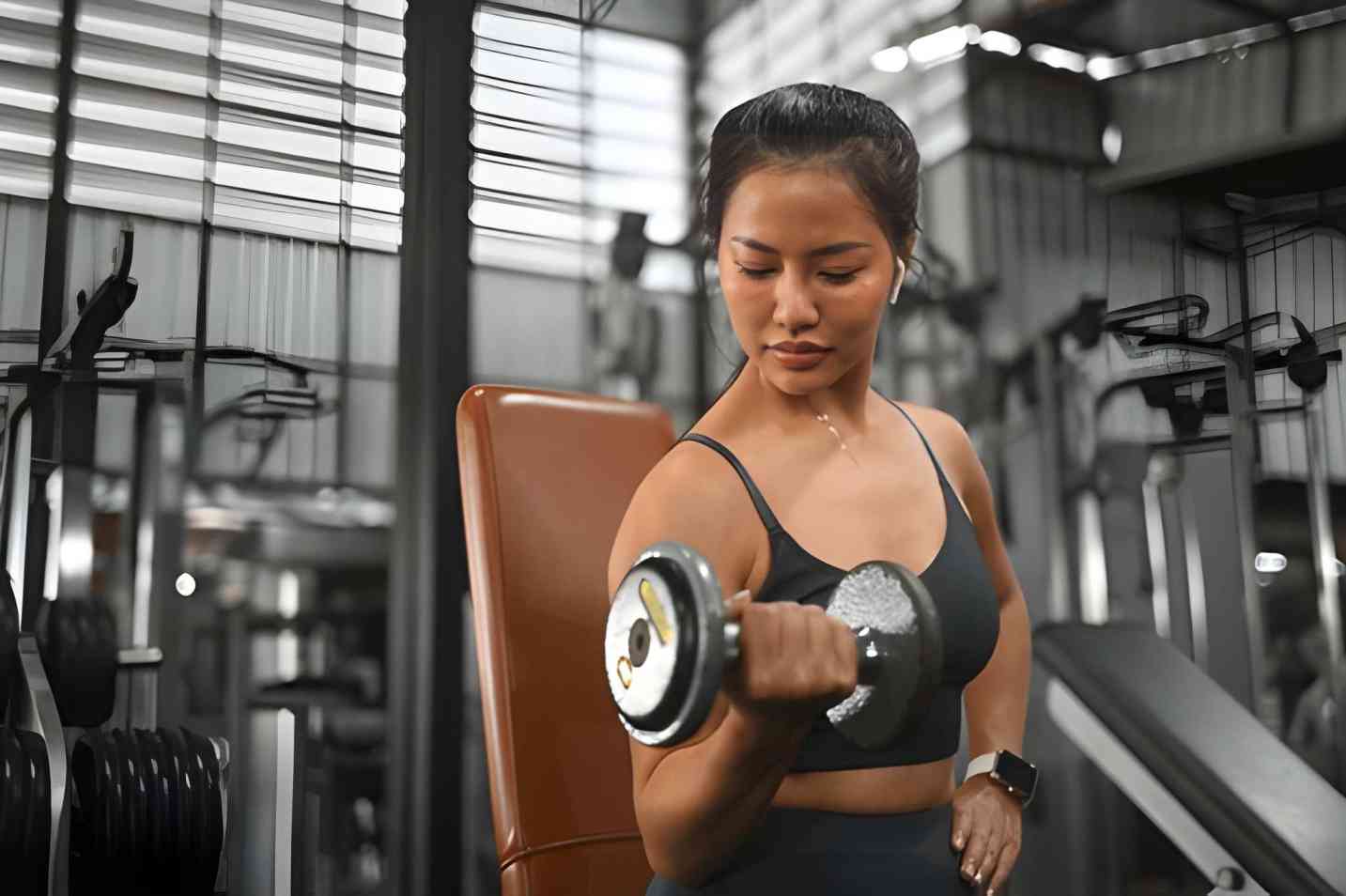
Have you been training consistently but your arms still look the same in the mirror?
You add a few curls at the end of your workout, feel a pump, maybe even some soreness the next day — but weeks later, nothing really changes.
The truth is simple: bigger arms don’t come from random curls. They come from a structured bicep training plan built on proper technique, progressive overload, smart nutrition, and recovery.
As a certified personal trainer, I’ve worked with many beginners who struggled to grow their arms. Once they followed a clear program and understood how hypertrophy works, their results changed dramatically.
In this guide, you’ll learn exactly how to build stronger, thicker, and more defined biceps — step by step.
Understanding Your Biceps: Why Anatomy Matters
If you want better results, you need to understand what you’re training.
The Biceps Brachii: Two Heads
Your biceps muscle has two parts:
- Long head – located on the outer side of your arm and responsible for the visible “peak.”
- Short head – sits on the inner side and adds width and thickness.
Different exercises and arm angles emphasize each head slightly differently. That’s why variety matters in a well-designed arm workout.
The Brachialis and Forearm Muscles
Underneath the biceps is the brachialis muscle. When developed, it pushes the biceps up, making your arms look bigger from the side. Hammer curls and neutral-grip movements target this area.
The brachioradialis in the forearm also contributes to overall arm size and grip strength. Strong forearms make your arms look complete, not narrow near the elbow.
How Muscle Growth Works (Hypertrophy Basics)
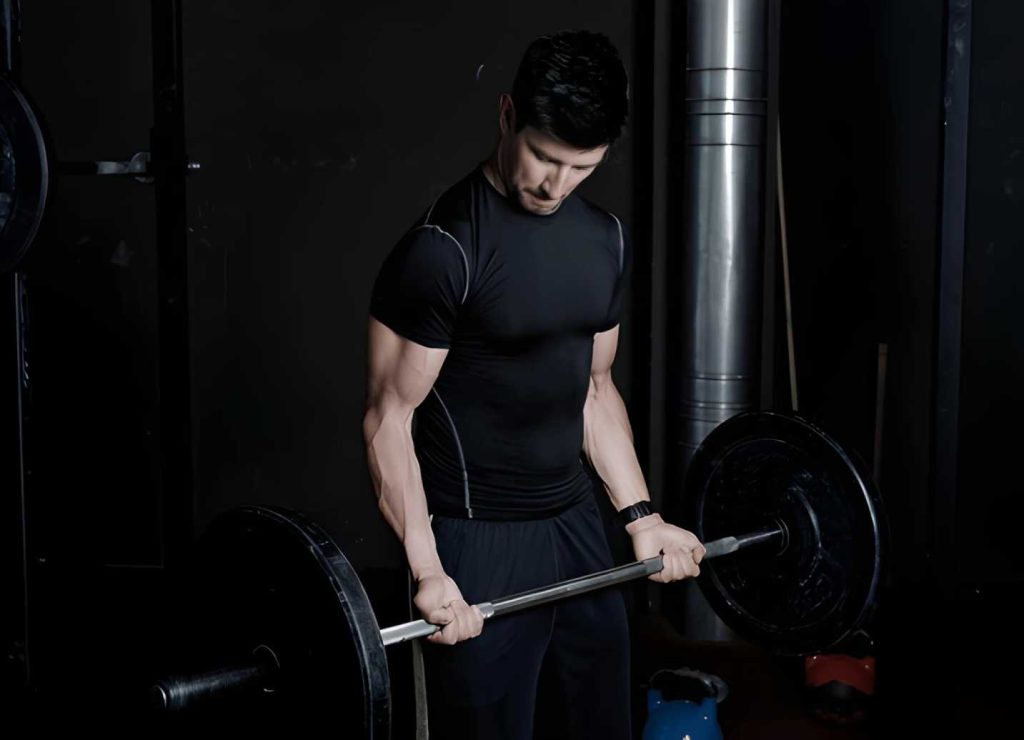
Muscle growth, also called hypertrophy, happens when you challenge your muscles enough to force them to adapt.
According to research published in the Journal of Strength and Conditioning Research, muscle growth is primarily driven by:
- Mechanical tension (lifting challenging weights)
- Sufficient training volume
- Progressive overload over time
How Many Sets Should Beginners Do?
For most beginners, aim for:
- 10–15 total bicep sets per week
- Training biceps twice per week
- 8–15 reps per set
More isn’t always better. Your muscles need recovery to grow.
Progressive Overload: The Real Key
If you’re lifting the same weight every week, your arms won’t change.
Progressive overload means:
- Adding small amounts of weight
- Increasing reps
- Improving form
- Slowing down the lowering phase
Even small improvements each week add up over months.
The Best Bicep Exercises for Beginners
Here are the most effective bicep exercises to build muscle mass and strength.
1. Barbell Curls
A classic mass-building movement. Because you can lift heavier weight, it increases mechanical tension — one of the main drivers of hypertrophy.
Focus on:
- Keeping elbows close to your torso
- Avoiding body swing
- Controlling the weight on the way down
2. Alternating Dumbbell Curls
Great for improving muscle balance and mind-muscle connection. You can focus on each arm individually.
3. Incline Dumbbell Curls
This movement stretches the long head of the biceps, which helps improve arm peak over time.
4. Hammer Curls
Targets the brachialis and brachioradialis. Essential for thicker arms and better grip strength.
5. Cable Curls
Cables provide constant tension throughout the movement, increasing time under tension and muscle activation.
6. Chin-Ups (Underhand Grip)
Although often seen as a back exercise, chin-ups heavily activate the biceps and build functional upper-body strength.
The Complete 8-Week Beginner Bicep Training Plan
This simple structure works extremely well for beginners.
Weeks 1–4: Foundation Phase
Train biceps twice per week.
Workout A:
- Barbell Curls – 3 sets of 10 reps
- Hammer Curls – 3 sets of 12 reps
- Cable Curls – 2 sets of 15 reps
Workout B:
- Incline Dumbbell Curls – 3 sets of 10 reps
- Alternating Dumbbell Curls – 3 sets of 12 reps
- Chin-Ups – 3 sets (as many reps as possible)
Rest 60–90 seconds between sets. Focus on perfect form and controlled movement.
Weeks 5–8: Growth Phase
Increase weight slightly and aim for progression.
Workout A:
- Barbell Curls – 4 sets of 8–10 reps
- Hammer Curls – 3 sets of 10 reps
- Cable Rope Curls – 3 sets of 12 reps
Workout B:
- Incline Dumbbell Curls – 4 sets of 8–10 reps
- Concentration Curls – 3 sets of 12 reps
- Chin-Ups – 3 sets close to failure
Try to improve one variable each week — weight, reps, or control.
Common Form Mistakes That Limit Growth
Many beginners unknowingly slow their progress.
Avoid:
- Swinging your torso to lift heavier weight
- Cutting reps short
- Dropping the weight too quickly
- Training biceps every single day
Lower the weight slowly for 2–3 seconds. That eccentric phase stimulates muscle growth and reduces injury risk.
Take your arm training to the next level with our 5-day bicep workout plan! Packed with practical tips, it’s designed to help you build bigger, stronger arms. Don’t miss out!
Nutrition for Bigger Arms

You cannot build muscle without proper nutrition.
Calorie Intake
If your goal is muscle gain, you need a slight calorie surplus — around 250–300 extra calories per day.
Protein Requirements
Research suggests consuming 1.6–2.2 grams of protein per kilogram of bodyweight to support muscle growth.
Good sources include:
- Eggs
- Chicken breast
- Greek yogurt
- Lentils
- Tofu
- Whey protein
Supplements
Creatine monohydrate is one of the most researched supplements in sports science. Studies consistently show improvements in strength and lean muscle mass when combined with resistance training.
Supplements are optional. Training, food quality, and sleep matter more.
Recovery: The Growth Multiplier
Muscles grow during recovery, not during the workout.
Aim for:
- 7–9 hours of quality sleep
- At least 48 hours between heavy bicep sessions
- Light stretching for elbow and shoulder health
Chronic elbow pain usually signals excessive volume or poor form.
Realistic Expectations for Beginners
Many beginners expect dramatic results within weeks.
In reality:
- Beginners can gain approximately 0.5–1 kg of lean muscle per month with proper training and diet.
- Arm size may increase about 0.5–1 inch within 8–12 weeks if you are consistent.
Consistency is more important than intensity.
A Real Client Example
One beginner client started with 13-inch arms. He trained randomly before working with me — mostly high-rep curls without structure.
After following a structured bicep workout routine, increasing protein intake, and tracking progressive overload for 10 weeks, his arms measured 14.2 inches.
The difference wasn’t secret exercises. It was consistency and a clear plan.
Advanced Techniques (After Building a Base)
After 8–12 weeks, you can experiment with:
- Drop sets
- Supersets
- Tempo training
- Peak contractions
- Partial reps
However, most of your muscle growth will come from mastering the basics first.
Looking to take your training to the next level? Check out the 7 best bicep supersets for an incredible pump—full of tips to maximize your arm workouts!
Why Your Arms Might Not Be Growing
If progress stalls, check these factors:
- Are you tracking your lifts?
- Are you increasing weight over time?
- Are you eating enough protein?
- Are you sleeping properly?
- Are you training consistently?
Usually, fixing these fundamentals solves the problem.
Final Thoughts
Building bigger arms is not about doing endless curls. It’s about following a structured bicep training program, applying progressive overload, eating enough protein, and allowing proper recovery.
If you stay consistent for the next 8–12 weeks and follow this plan, your arms will grow. Strong biceps improve pulling strength, grip power, and overall upper-body performance — not just appearance.
Start today. Track your progress. Stay patient. The results will come.