Skip to content

Have you ever sat in the parking lot, keys still in your hand, trying to talk yourself into walking through the gym doors?
If so, you are far from alone. That knot in your stomach has a name: gym anxiety, sometimes called “gymtimidation.” It is one of the most common reasons women put off starting a fitness routine, and it has nothing to do with willpower or motivation. It is a real, well-documented response to walking into a space that can feel unfamiliar, crowded, and judgmental.
The good news is that gym anxiety is completely manageable once you understand where it comes from and how to work through it. This guide breaks down why it happens, why it hits women especially hard here in Austin, and what you can actually do about it.
What Gym Anxiety Really Looks Like
Gym anxiety is a form of social and performance anxiety tied to a specific environment. It is different from the normal butterflies you might feel trying anything new. For many women, it shows up as a racing heart before walking in, overthinking what to wear, circling the same three machines because they are the only ones you know how to use, or skipping the free weight section entirely.
Research backs up how widespread this is. According to industry survey data, people aged 18 to 24 report notably higher gym anxiety than those 45 and older, and nearly half of women say they feel insecure about their fitness abilities in the gym.
Some people even experience physical symptoms like sweating or a racing pulse just from the anticipation of a workout. None of this means something is wrong with you. It means you are having a very normal reaction to an environment that was never designed with beginners in mind.
Why Women Experience It Differently Than Men
Gym anxiety touches everyone, but women tend to carry a heavier version of it. A few reasons show up again and again in research and in real client conversations.
Feeling watched. Many women describe a constant sense that someone is evaluating their form, their outfit, or their body. Whether or not anyone is actually looking, that feeling alone is exhausting and distracting.
Male-dominated weight rooms. Free weight sections in particular can feel like unfamiliar territory. Studies suggest roughly one in five women feel intimidated lifting weights around men, often tied to the outdated idea that the weight floor “belongs” to more experienced lifters.
Not knowing the equipment. Fear of using a machine incorrectly, or not knowing where to even start, keeps a lot of women circling the cardio machines instead of exploring strength training, even when strength training is exactly what would help them reach their goals.
Body image pressure. Comparison is unavoidable in a room full of mirrors. Women are more affected by gym anxiety than men, and for many, that self-consciousness has lingered for years rather than fading with time.
Life-stage changes. Returning to exercise after pregnancy, an injury, or a long break brings its own layer of nerves, on top of everything else.
None of this is imagined. One survey found nearly nine in ten women reported some form of gym anxiety, with a large share worried specifically about using equipment the wrong way.
Is It Worse in a City Like Austin?
Austin’s fitness culture is part of what makes the city so lovable, and also part of what can make gym anxiety feel bigger here. Between the trail runners at Lady Bird Lake, the CrossFit boxes, and the general “active outdoors” identity of the city, it is easy to feel like everyone around you is already ahead of you.
Large commercial gyms only add to that. A packed gym floor during peak hours, especially in the brutal Austin summer when everyone moves indoors, can turn a simple workout into a stressful experience. This is exactly why the size and feel of your training environment matters as much as the workout itself. A quieter, smaller space changes the entire experience, which is something worth keeping in mind when you are choosing where to train in Austin.
What Avoiding the Gym Actually Costs You
Skipping workouts because of anxiety creates an ironic trap. Exercise is one of the most effective tools for managing anxiety and stress, yet anxiety is exactly what keeps so many women from doing it. The longer the avoidance continues, the harder that first step back can feel, and the further away goals like weight loss, strength, or simply feeling good in your body start to seem.
Breaking that cycle does not require a dramatic overhaul. It usually just takes the right first move.
Practical Ways to Work Through Gym Anxiety

Before you go: Look up the gym layout ahead of time, plan your outfit the night before, and pick a quieter time of day if you can. Even knowing where the locker room and water fountain are removes a surprising amount of stress.
Shift your mindset: Most people at the gym are far too focused on their own workout to be paying attention to you. Reminding yourself of that, even if it does not feel true at first, helps quiet the “everyone is watching me” voice over time.
Start small: You do not need to master ten machines on day one. Learning three or four exercises really well builds real confidence much faster than trying to do everything at once.
Bring backup: Whether it is a friend or a coach, having someone beside you takes the edge off. Roughly two-thirds of people with gym anxiety say a supportive friend or trainer significantly improves how comfortable they feel.
Why a Personal Trainer Removes the Two Biggest Triggers
Most gym anxiety comes down to two things: not knowing what to do, and feeling like you are being judged while you figure it out. Working with a personal trainer solves both at once.
A good trainer builds your program around an actual assessment of your body and goals, so there is no guessing and no wandering the gym floor looking lost. Every session has a plan. That structure alone takes a huge amount of pressure off a beginner.
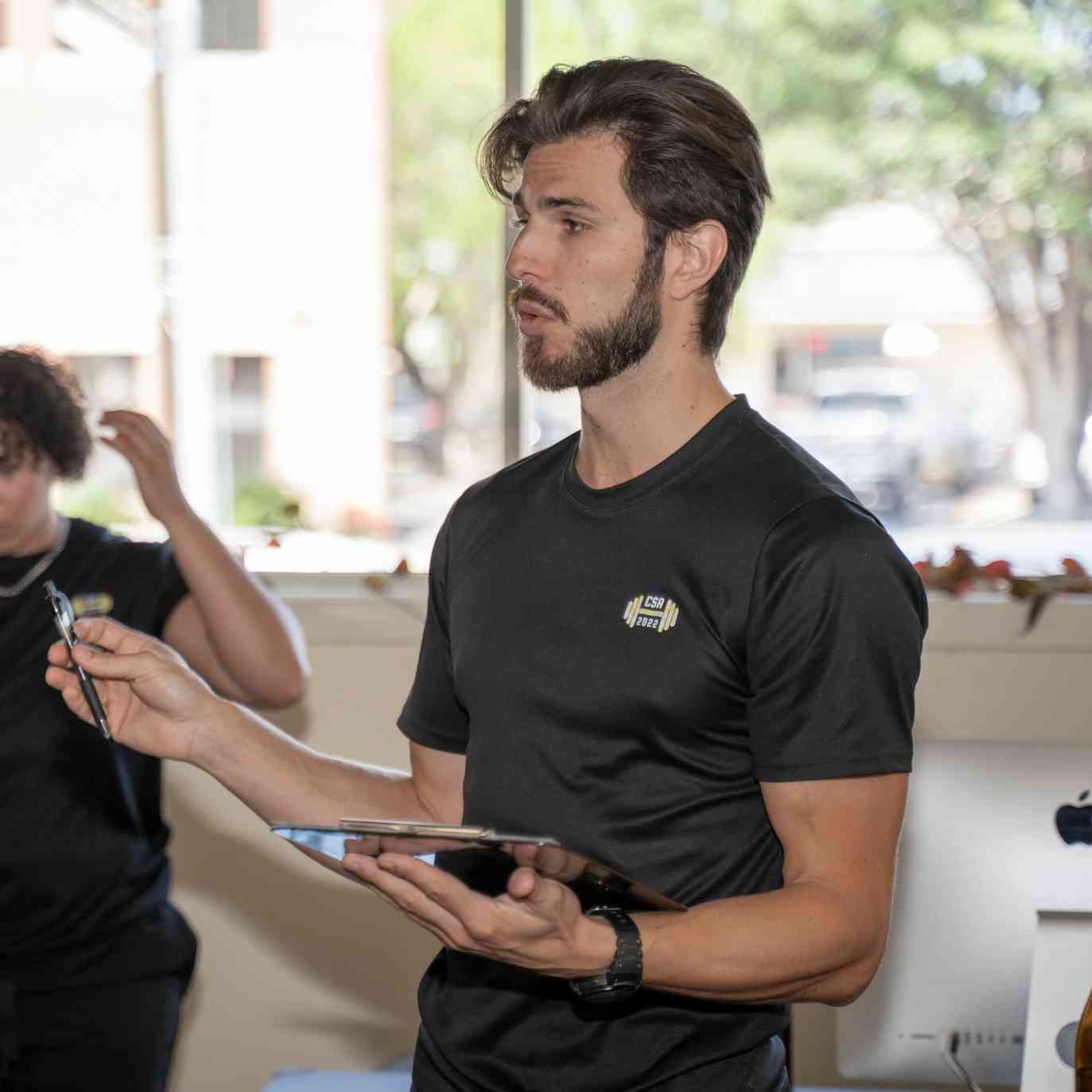
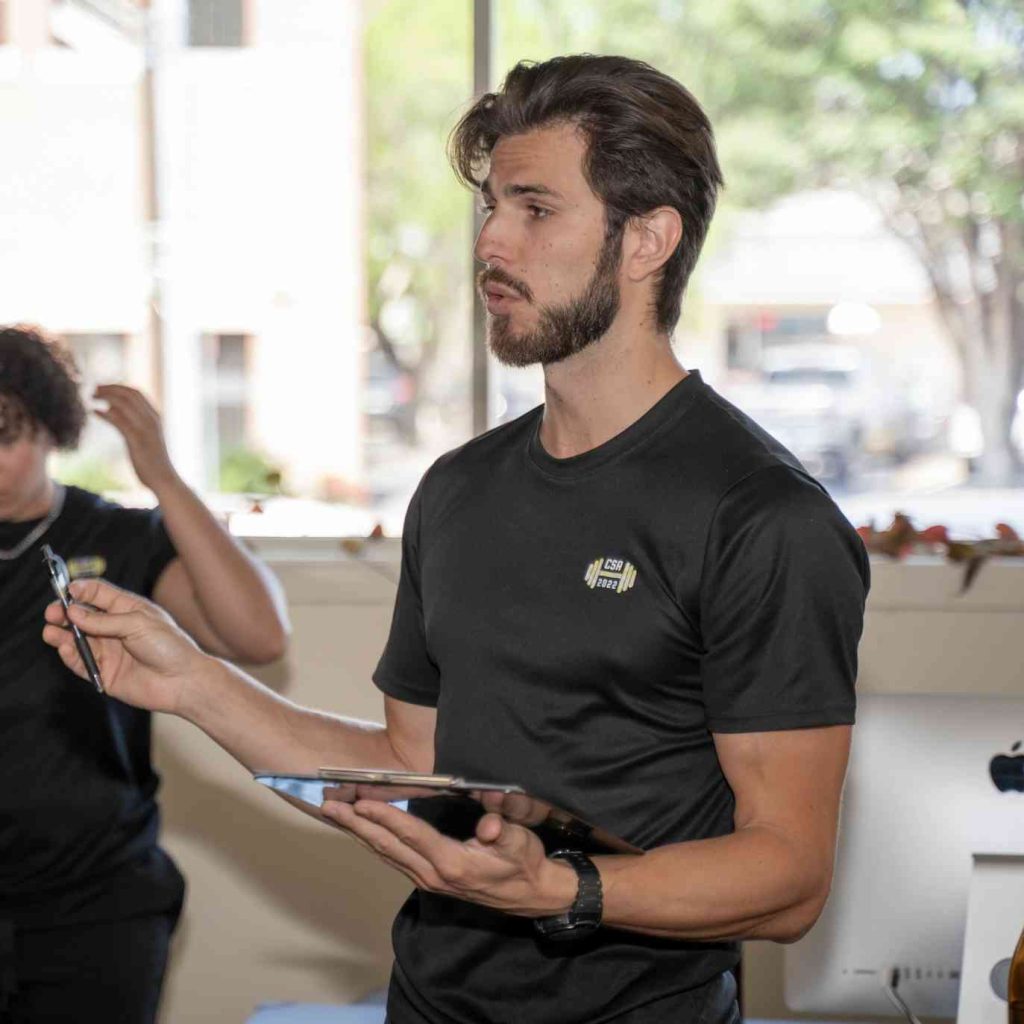
This is also where the setting itself matters. Training in a small, private space with one trainer, rather than on a crowded gym floor, removes the audience entirely. At Community Strength Austin, sessions are built around focused, 1-on-1 personal training or semi-private training with just a few people at a similar fitness level, in a space designed to be free of crowds and distractions. Every new client starts with a biomechanics assessment before any programming begins, which means your very first session is about understanding your body, not performing in front of a room full of strangers.
For women returning to fitness after having a baby, the same idea applies. A postpartum training program built specifically around your recovery timeline takes away the guesswork and the pressure of trying to “figure it out” on your own.
Real Experiences From Women Who Felt the Same Way
Plenty of women walk into personal training with little to no gym background, and that is far more common than most people expect. Clients have described starting with zero experience, dealing with old injuries or joint issues, and still leaving sessions feeling stronger and more capable than when they walked in, largely because their trainer adjusted the plan around them instead of expecting them to keep up.
One new mother shared that her trainer’s support made a noticeable difference in her recovery and confidence after pregnancy. That kind of steady, personalized guidance is often what turns “I’ll try one session” into a routine that actually sticks.
A Simple Roadmap for Your First Week
- Book a free consultation instead of walking in cold.
- Choose 1-on-1 or semi-private training over a crowded gym floor for your first few sessions.
- Set one small, realistic goal, not a complete transformation, for week one.
- Show up at a consistent time that works with your schedule.
- Pay attention to how you feel, not just what you lift.
- Give yourself credit for showing up. That is the hardest part.
Frequently Asked Questions
Is gym anxiety a real thing?
Yes. It is a well-documented form of situational anxiety, and surveys consistently show it affects a large share of gym-goers, women in particular.
How do I stop feeling like people are watching me?
It fades with repetition and familiarity. Training in a smaller, quieter setting first can speed that process up considerably.
Is a personal trainer or a big gym better for anxiety?
For most beginners, working with a trainer in a smaller, structured setting removes far more stress than a large, crowded gym floor.
Is it normal to feel nervous before your first training session?
Completely normal. Most clients feel some nerves walking in, and it typically fades within the first couple of sessions once there is a clear plan in place.
Ready to Take the First Step?
Gym anxiety is common, valid, and very solvable with the right support and the right environment. You do not have to figure it out alone or push through a crowded gym floor to get started.
Book a free consultation with Community Strength Austin and take your first step in a space built for exactly this moment: private, judgment-free, and centered entirely around you.