Skip to content
Have you ever finished a leg workout and felt that your hamstrings were never truly challenged — even after doing leg curls or deadlifts? If yes, you’re not alone.
Many people train their legs regularly but still struggle with weak hamstrings, recurring tightness, or even hamstring strains. This is where Nordic hamstring curls come in.
As a certified personal trainer, I often recommend this exercise because it builds real strength, improves muscle control, and helps protect athletes and gym-goers from one of the most common lower-body injuries.
Let’s break down everything you need to know in a simple and practical way.
What Are Nordic Hamstring Curls?
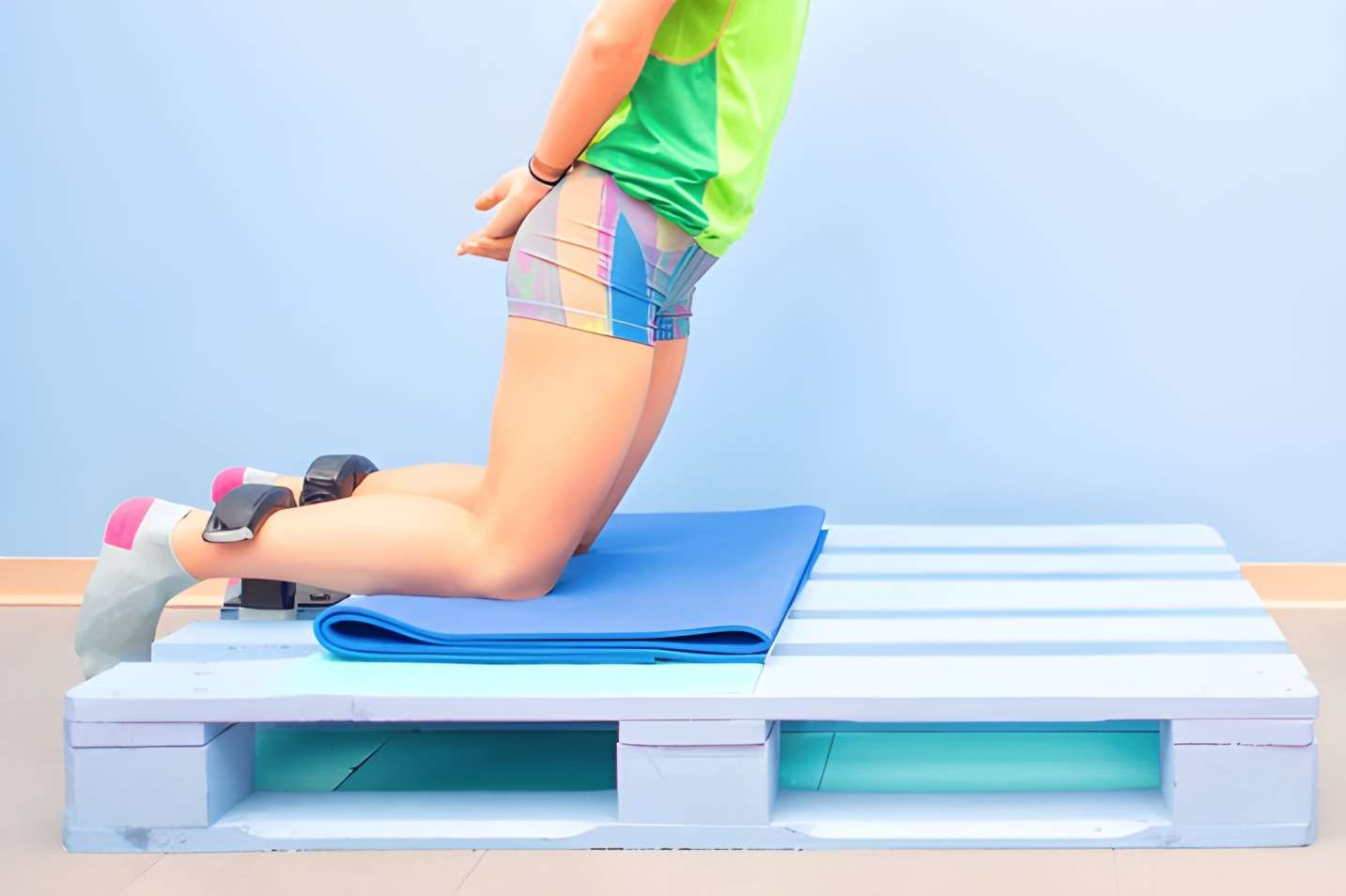
Nordic hamstring curls are a bodyweight hamstring exercise where you slowly lower your upper body forward while keeping your knees on the ground and your ankles secured. The movement mainly trains the hamstrings through eccentric contraction, meaning the muscle works hardest while lengthening.
Unlike machine leg curls, Nordic curls train the hamstrings in a way that closely mimics real-life movements like sprinting, running, and decelerating.
Muscles worked
- Hamstrings (primary muscle group)
- Glutes
- Calves
- Core muscles for stability
- Lower back as a stabilizer
Because multiple muscles work together, this exercise is considered a strong posterior chain exercise.
Benefits of Nordic Hamstring Curls
1. Builds Stronger Hamstrings
Nordic curls create a very high level of tension in the hamstrings. This improves:
- Muscle strength
- Control during movement
- Resistance against sudden stretching
Many lifters notice improved strength in exercises like Romanian deadlifts and sprinting after adding Nordic curls.
2. Helps Prevent Hamstring Injuries
This is one of the biggest reasons sports teams use Nordic hamstring exercises.
Research in football (soccer) players has shown that teams using Nordic hamstring programs reduced hamstring injuries by up to 50%. Stronger eccentric strength allows the muscle to tolerate high-speed running and sudden stops.
For runners, footballers, and even recreational gym members, this can be a game changer.
3. Improves Athletic Performance
Strong hamstrings contribute to:
- Faster sprint speed
- Better acceleration
- More powerful jumping
- Improved change of direction
Athletes often report feeling more stable and explosive after consistently performing Nordic curls.
4. Supports Muscle Growth
Because the movement places the hamstrings under long tension, it promotes muscle hypertrophy. Many people find their hamstrings develop better compared to relying only on machines.
5. Enhances Knee Stability
The hamstrings help control knee movement. Strong hamstrings reduce stress on the knee joint and support injury prevention programs, especially for ACL protection.
How to Perform Nordic Hamstring Curls Correctly
Technique matters more than repetition count here.
Setup
- Kneel on a soft surface or mat.
- Have a partner hold your ankles or secure them under a fixed object.
- Keep your body straight from knees to head.
- Engage your core and glutes.
Execution
- Slowly lean forward while keeping hips extended.
- Lower your body under control.
- Go as far as you can without losing form.
- Use your hands to catch yourself at the bottom.
- Push lightly with your hands to return to the starting position if needed.
Breathing
- Inhale as you lower yourself.
- Exhale as you return upward.
The goal is control, not speed.
Nordic Hamstring Curl Variations
Not everyone can perform a full Nordic curl immediately, and that’s normal.
Common variations include:
- Assisted Nordic curls using resistance bands
- Eccentric-only Nordic curls (focus only on lowering phase)
- Partial range of motion curls
- Machine-assisted Nordic curls
- Weighted Nordic curls for advanced trainees
Beginners should always start with assistance before progressing.
For more inspiration and to enhance your progress with Nordic curls, be sure to check out knee-friendly lower body workouts you can do at home. They’re the perfect addition to elevate your fitness routine!
Common Mistakes to Avoid
I see these mistakes very often in gyms:
- Bending at the hips instead of keeping the body straight
- Dropping too quickly instead of controlling the descent
- Arching the lower back excessively
- Not engaging the core
- Attempting full reps too early
- Poor ankle support causing instability
Remember, even a small controlled movement is effective.
Beginner Tips and Progressions
Nordic curls are difficult, even for strong individuals. Progress slowly.
Helpful tips:
- Start with 2–3 slow repetitions
- Use resistance bands for support
- Train them 1–2 times per week
- Expect muscle soreness initially (DOMS is common)
Over time, your control and range will improve naturally.
How to Program Nordic Hamstring Curls
You can include Nordic curls in different ways depending on your goal.
For general fitness
- 2–3 sets of 4–6 reps
- After main leg exercises
For athletes
- 2 sessions per week
- Focus on slow eccentric control
For muscle growth
- Combine with exercises like:
- Romanian deadlifts
- Hip thrusts
- Leg curls
Avoid doing them at the end of an extremely heavy leg day when fatigue is too high.
Nordic Hamstring Curls vs Other Hamstring Exercises
Each hamstring exercise has its role.
Nordic curls vs leg curls
- Nordic curls improve functional strength and injury resistance
- Leg curls isolate the muscle more
Nordic curls vs Romanian deadlifts
- RDLs train hips and glutes more
- Nordic curls isolate knee flexion strength
Nordic curls vs glute-ham raises
- Similar benefits, but Nordic curls require less equipment
The best approach is usually combining them.
To see how Nordic curls compare to another popular hamstring exercise, check out our article comparing them to traditional leg curls. You might get a few new ideas for your routine.
Who Should Modify or Avoid Nordic Curls?
This exercise may need modification if:
- You have an active hamstring strain
- You experience knee pain while kneeling
- You are completely new to resistance training
In these cases, start with easier hamstring strengthening exercises first.
Real-World Experience and Testimonials
Many athletes and clients I’ve worked with initially struggle to perform even one controlled repetition. However, after 6–8 weeks of consistent practice, they report:
- Less hamstring tightness
- Better running endurance
- Reduced fear of pulling a hamstring during sports
One recreational runner described Nordic curls as “the exercise that finally made my legs feel balanced.”
Final Thoughts
Nordic hamstring curls are challenging, but that’s exactly why they are effective. They strengthen the hamstrings in a way that transfers directly to sports, daily movement, and injury prevention.
If you focus on proper technique, progress gradually, and stay consistent, this single exercise can significantly improve your lower-body strength and performance.
Start slow, respect the difficulty, and let strength build over time.