Skip to content
Have you ever wobbled like a newborn foal just trying to tie your shoes while standing on one foot?
Or maybe you’ve powered through a run only to feel that nagging tweak in one knee because your stronger leg is hogging all the glory? If balance feels like a distant dream or your workouts leave one side of your body feeling sidelined, you’re not alone.
As a certified personal trainer with over a decade of helping folks from busy moms to weekend warriors build resilient bodies, I’ve seen how a simple shift to single-leg movements can transform your stability, strength, and even your confidence in everyday life.
Today, we’re diving deep into single-leg squat variations—those game-changing unilateral exercises that target your lower body in ways regular squats just can’t touch. Stick with me, and by the end, you’ll have a toolkit to conquer imbalances, boost functional fitness, and move like you were born to.
Why Single-Leg Squats?

Muscles in the Spotlight
Single-leg squats aren’t your average lower body workout. These unilateral strength exercises laser-focus on one leg at a time, firing up quads, hamstrings, glutes, and calves while your core and hips jump in to stabilize. It’s all about that neuromuscular magic—improving proprioception so your body knows exactly where it is in space, no guesswork needed.
Balance and Stability Boost
Want to ditch the clumsiness? A 2019 study in the Journal of Orthopaedic & Sports Physical Therapy showed single-leg moves amp up dynamic balance by 15-20% in eight weeks. That’s huge for cutting fall risks, whether you’re hitting the trails or just navigating a crowded kitchen.
Fixing Imbalances and Injury-Proofing
Bilateral exercises like deadlifts let stronger sides cheat. Unilateral squats? They expose those asymmetries, building even strength across legs. This slashes injury odds in sports like soccer—think fewer twisted ankles or IT band woes.
Core Power and Everyday Wins
These moves demand pelvic stability, sharpening posture and hip control. Plus, as compound exercises, they spike your metabolism; the American Council on Exercise notes up to 25% more calorie burn than standard squats. It’s functional fitness that pays off in real life, from easier hikes to pain-free desk days.
Take Mike, my 42-year-old client and cyclist: “My left leg lagged hard, sparking knee pain. Three months of single-leg squats, and I’m riding stronger, ache-free. Game-changer.” Perfect for beginners, athletes, or seniors chasing stability training.
Essential Form and Technique Basics
- Nailing the Setup – Stand tall, feet hip-width, toes forward. Shift weight to one foot, lift the other slightly—knee soft, gaze ahead. Keep your spine neutral; no neck craning. This stance sets you up for success in every unilateral squat.
- Step-by-Step Execution – Inhale and hinge at hips, pushing back like sitting in a chair. Working knee tracks over toes—lower to parallel (or your comfy depth). Chest up, core braced. Pause a beat, then exhale and drive through your heel, glute squeeze on the rise. Tempo – 3 seconds down, 1-second hold, 2 up.
- Breathing and Flow – Breath anchors you—in on descent for core brace, out on rise for power. It keeps things smooth and prevents that dizzy spin.
- Spotting and Fixing Mistakes – Knee caving in? Cue glute rotation and shoulder squeeze. Leaning forward? Taller chest, tighter abs. Too deep too soon? Start shallow. Film yourself—it’s the best coach.
- Warm-Up and Safety Smarts – Prime with leg swings (10 per side) or ankle circles. Got joint issues? Doc check first. These basics turn potential pitfalls into powerhouse form.
Take a peek at the breakdown of Bulgarian Split Squat vs Leg Extension—a game-changer for fine-tuning your lower body routine.
Top Single-Leg Squat Variations: From Beginner to Advanced
Beginner Regressions: Build Confidence
Ease in with support—these unilateral exercises teach balance without overwhelm.
- Assisted Single-Leg Squat (Chair/TRX): Grip for control, lower slow. Targets quads and proprioception. 3×8-10/leg. Mod: Full sit. Cue: “Ease off hands as legs take over.”
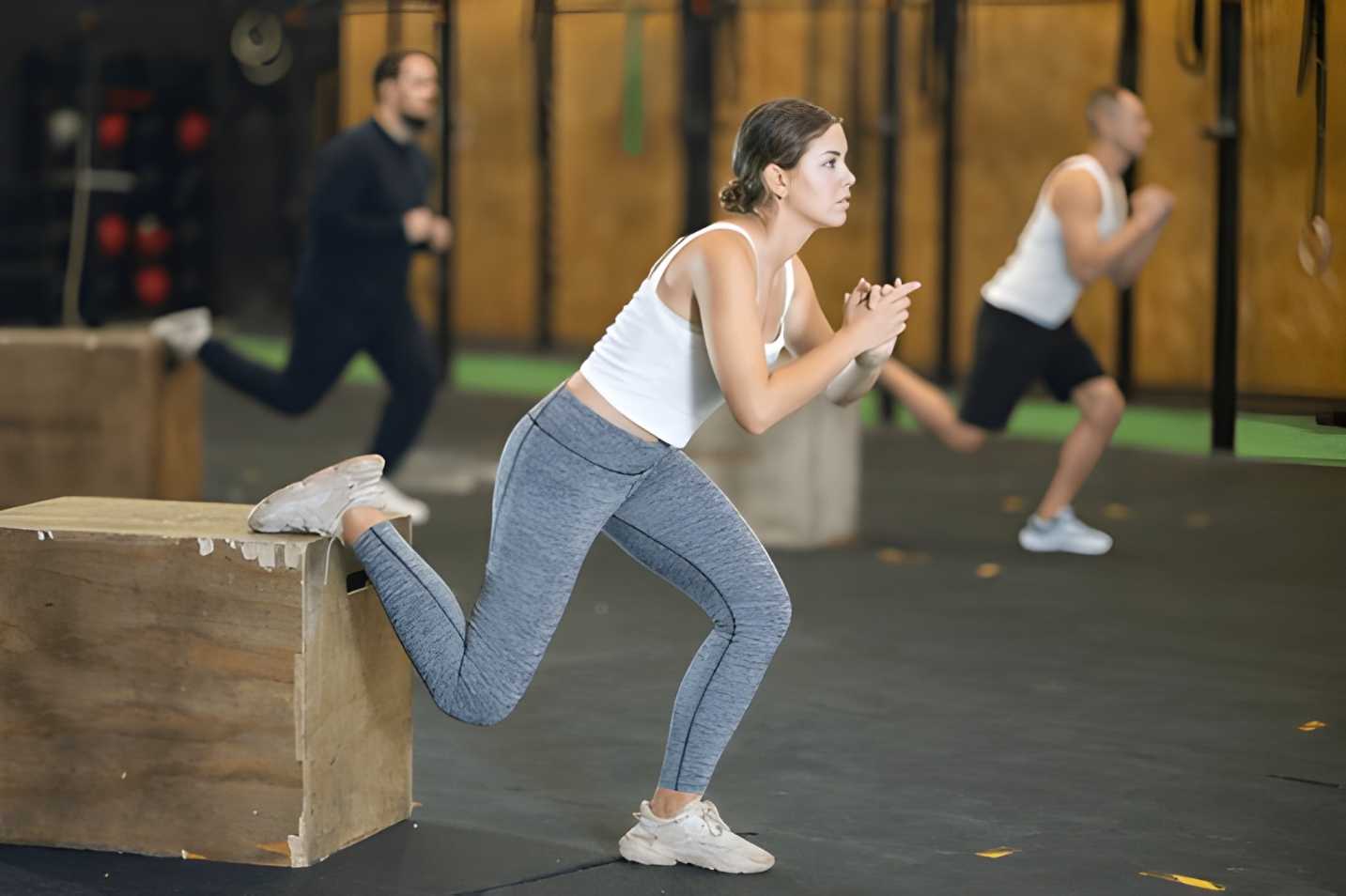
- Box/Bench Squat: Back foot on box, tap and rise. Hits hamstrings eccentrically. 3×10-12/side. Mod: Higher box. Cue: “Heel drive like stomping grapes.”
Intermediate Twists: Add Challenge
Ramp up with angles and holds for deeper glute activation and stability.
- Bulgarian Split Squat: Rear foot up, front squat. Stretches hip flexors too. 3×8-10/leg. Mod: No elevation. Cue: “Knee over toes, stay tall.”
- Lateral Single-Leg Squat: Side step and squat. Balances inner/outer thighs. 3×10/side. Mod: Wall hold. Cue: “Hip out, feel the side fire.”
- Pause Squat: Hold 3-5 seconds bottom. Builds endurance. 3×6-8. Mod: Quick pause. Cue: “Breathe through the burn.”
Advanced Power Plays: Go Big
Mobility meets might—these demand grit for elite lower body strength.
- Pistol Squat: Full depth, leg extended. Tests ankles and quads. 3×4-6/leg. Mod: Counter grip. Cue: “Arms counter, unfold slow.”
- Jumping Squat: Explode up, soft land. Plyo for speed. 3×6-8. Mod: Pulse only. Cue: “Abs tight on landing.”
- Weighted Squat: Hold dumbbells or kettlebell. Hypertrophy focus. 3×8-10. Mod: Bodyweight. Cue: “Weight low, no forward pull.”
Gear-Up Variations: Instability Edge
Props add fun and core demand to your balance exercises.
- Slider Squat: Slide back foot out. Hip stability star. 3×10/leg. Mod: Hold still. Cue: “Controlled glide, no slip.”
- Bosu Ball Squat: Dome-side stand. Proprioception pro. 3×8. Mod: Flat down. Cue: “Eyes forward, body adapts.”
Clients love these—rotate one weekly for fresh gains.
Hungry for more lower-body builders? Check out our deep dive on the Bulgarian Split Squat vs. the Hip Thrust. Two powerhouses, two very different purposes.
Programming Single-Leg Squats into Your Routine
- Fitting Them In: Add 2-3x/week, post-bilateral warm-ups. Keeps routines balanced.
- Beginner Sample Session: 20 minutes – Marches warm-up, assisted (10/leg), box (8/leg), plank close. 60s rests.
- Advanced Circuit: HIIT vibe – Bulgarian (10/leg), jump (6/leg), pause (8/leg), climbers between. Calorie crusher.
- Progression Tips: Week 1 – Form focus. Week 4 – Add load. Journal it; deload every 4-6 weeks.
- Pairing and Recovery: Mix with deadlifts or planks. Foam roll, protein up (1.6-2.2g/kg), sleep 7-9 hours. Lisa, postpartum client: “Back to chasing my kid, effortlessly.”
Addressing Challenges: Modifications for All Levels and Conditions
Injury Tweaks
Knee pain? Shallow or holds—British Journal of Sports Medicine says 30% injury drop. Back? Light loads, neutral cues.
Goal-Based Scaling
Strength: Heavy, low reps. Endurance: High reps. Mobility: Slow drops.
Special Populations
Runners: Bulgarians for endurance. Postpartum: Assisted for pelvic safety. Seniors: Chair with reaches. Pregnancy: Light eccentrics.
Listen up—adapt, don’t push through pain.
Measuring Progress and Tracking Results
Key Metrics
One-leg stand time (aim 30s). Reps/weight logs. Leg symmetry (<10% gap).
Tools to Use
Apps for tracking, videos for form. Wearables for stability stats.
Milestones and Wins
Pistol in 8-12 weeks? Or smoother strides? Tom, hiker client: “Trail confidence skyrocketed.” Track to stay motivated.
Frequently Asked Questions (FAQs)
What if one leg feels way weaker?
Totally normal! Give the lagging side 1-2 extra reps per set to catch up—symmetry builds over time.
How deep should I squat?
Parallel to the floor is the sweet spot for most, but honor your mobility. Deeper comes with practice.
Can single-leg squats replace regular squats?
Nope—they complement. Use them 1:1 ratio for balanced lower body development.
Are they safe for total newbies?
Absolutely, with regressions. Start assisted, and you’ll build up safely.
How quick do I notice better balance?
Consistency pays off in 2-4 weeks—stick with it for those “aha” moments.
Single-leg squat vs. lunge—which wins?
Both rock, but squats edge out for pure stability; lunges add stride power.
Final Thoughts
There you have it: From science-backed benefits to a lineup of variations that’ll challenge your balance and sculpt serious lower body strength, single-leg squats are your ticket to functional fitness that lasts. Whether you’re fixing imbalances, prepping for sports season, or just wanting to feel steadier on your feet, these moves deliver. As your trainer pal, my challenge? Pick one variation—maybe that assisted squat—and weave it into tomorrow’s routine. You’ve got this.
Ready to Level Up?
At Community Strength Austin, we’re here to help you achieve functional fitness that fits your lifestyle. Whether you’re looking to master single-leg squats, improve your balance, or power through sport-specific training, our personal trainers in Austin are ready to guide you every step of the way. Tailored coaching, expert advice, and a community that gets it—that’s what we’re all about.
Why wait? Book a session with one of our trainers today and start building strength that truly lasts.