Skip to content

What if the tight hips, aching lower back, and stiff shoulders you’ve been living with since giving birth aren’t just “part of motherhood” you have to accept? For a lot of new moms in Austin, that’s exactly how it feels — like the discomfort is the price of admission for having a baby. But it doesn’t have to be that way, and one of the most overlooked tools for getting your body back on track is assisted stretch therapy.
As a certified personal trainer who works with postpartum clients regularly, I’ve watched stretch therapy make a real difference for moms who felt stuck, sore, and disconnected from their own bodies. It’s not a magic fix, and it’s not a substitute for medical care. But paired with the right guidance, it can be one of the gentlest, most effective ways to start feeling like yourself again.
In this article, we’ll walk through what’s actually happening in your body postpartum, what stretch therapy is and how it works, and why so many Austin moms are adding it to their recovery routine.
What Happens to Your Body During Pregnancy and Postpartum
Before we talk about solutions, it helps to understand what your body has actually been through. Pregnancy and childbirth change you from the inside out, and most of those changes don’t just disappear the day your baby is born.
Your Hormones Loosen Your Joints
During pregnancy, your body produces a hormone called relaxin. Its job is to loosen the ligaments around your pelvis so your baby has room to be born. The catch is that relaxin doesn’t just target your pelvis — it softens connective tissue throughout your entire body, including your hips, knees, and lower back. That loosening effect can stick around for months after delivery, especially if you’re breastfeeding, which is one reason new moms often feel unstable or “wobbly” in ways they never did before.
Your Core Muscles Separate
Most women develop some degree of abdominal separation, known as diastasis recti, during pregnancy. Research on this is honestly a little all over the map depending on how it’s measured, but multiple studies have found that somewhere around 60 percent of women show signs of diastasis recti at six weeks postpartum, with that number gradually dropping — though not always disappearing — by the one-year mark. In plain terms: if your stomach still looks and feels different months after birth, you are far from alone.
Your Pelvic Floor Has Been Through a Lot
Whether you delivered vaginally or by C-section, your pelvic floor muscles supported the full weight of your growing baby for nine months and then did an enormous amount of work during labor (or, in the case of a C-section, absorbed the strain of a major abdominal surgery). It’s common to feel weakness, heaviness, or even mild leakage in the months that follow. This is worth mentioning to your doctor, and it’s also a big part of why postpartum movement needs to be approached carefully.
Your Posture Shifts
Here’s one that catches a lot of moms off guard: the physical demands of caring for a newborn can be just as hard on your body as pregnancy itself. Hours of nursing or bottle-feeding while hunched over, constantly carrying a baby on one hip, and bending down into a crib dozens of times a day all pull your shoulders forward and tighten your hips and neck. Add broken sleep into the mix, and it’s no wonder so many new moms describe feeling “stuck” in a hunched, tense posture.
What Is Stretch Therapy, Exactly?
Stretch therapy, sometimes called assisted stretching, is different from the stretching you might do on your own before or after a workout. Instead of stretching solo, you work with a trained specialist who guides your body through a series of targeted, controlled stretches.
Here’s why that distinction matters. When you stretch by yourself, it’s hard to fully relax into the movement, and it’s easy to compensate with the wrong muscles without realizing it. A trained specialist can support your limbs, control the angle and depth of each stretch, and help your nervous system actually let go instead of tensing up in resistance. That’s what allows assisted stretching to reach ranges of motion that are difficult, if not impossible, to get on your own.
It’s also different from yoga. Yoga is a full practice built around flow, breath, and often strength as well as flexibility. Stretch therapy is more targeted and passive — you’re not the one doing the work of holding poses, which makes it especially appealing when you’re exhausted and touched-out from caring for a newborn all day.
How Stretch Therapy Specifically Helps With Postpartum Recovery

This is really the heart of it. Here’s what a well-designed stretch therapy program can offer a postpartum body.
It Helps Restore Hip and Pelvic Mobility
Between the loosening effects of relaxin and months of altered movement patterns, hips are one of the first places postpartum moms notice tightness and restriction. Gentle, guided hip stretches help restore range of motion without putting stress on a pelvis that’s still stabilizing.
It Relieves Tension From Feeding and Carrying Your Baby
Those hours spent nursing, rocking, and carrying your baby take a real toll on your neck, shoulders, and upper back. Stretch therapy targets exactly these areas, releasing the kind of chronic tightness that builds up from repetitive, forward-hunched positions.
It Supports Better Posture
As your upper back and chest muscles loosen and your hip flexors lengthen, it becomes easier to stand and sit with better alignment. Over time, this can ease some of the strain that leads to postpartum back pain — one of the most common complaints new moms bring up with their trainers and doctors alike.
It Boosts Circulation and Eases Soreness
Assisted stretching increases blood flow to tired, overworked muscles. Better circulation supports faster recovery from the physical demands of caring for an infant, which, let’s be honest, is its own kind of workout.
It Works Alongside Core and Pelvic Floor Rehab
This one is important to get right: stretch therapy is not a replacement for pelvic floor physical therapy or core rehabilitation. Think of it as a supportive piece of the puzzle. Loosening tight, overcompensating muscles can actually make it easier for your body to engage the right muscles during dedicated core and pelvic floor work.
It Gives You Space to Breathe and Reset
Recovery isn’t just physical. A quiet, guided stretch session is one of the few times a new mom gets to lie down, breathe, and not be needed by anyone for 30 to 45 minutes. That mental reset matters just as much as the physical benefits, especially in the fog of early postpartum life.
It Prepares Your Body for Returning to Exercise
If your ultimate goal is getting back into a regular workout routine, mobility comes first. Muscles and joints that move freely are far less likely to get injured once you start reintroducing strength training, walking, or other exercise.
Is Stretch Therapy Safe After Having a Baby?
Generally, yes — but timing and approach matter a lot here.
Leading guidance from the American College of Obstetricians and Gynecologists supports gradual, individualized movement in the postpartum period, with the clear recommendation that women check in with their doctor before restarting or beginning any exercise routine. That guidance applies to stretch therapy too.
As a general rule of thumb, most providers clear vaginal delivery patients for gentle movement sometime around the six-week mark, while C-section recovery often takes a bit longer since it involves healing from major surgery. But “general rule of thumb” is doing a lot of work in that sentence — every body heals differently, and your six-week checkup with your OB or midwife is the real green light to listen for.
A few signs your body might need more time before starting stretch therapy:
- Ongoing pain, not just soreness
- Visible doming or bulging along your abdomen
- Feelings of heaviness or pressure in your pelvis
- Any bleeding or discharge that seems abnormal
If any of these apply to you, loop in your doctor before booking a session. And once you are cleared, working with someone experienced in postpartum bodies specifically — not just stretching in general — makes a real difference in how safe and effective your sessions are.
Stretch Therapy vs. Other Postpartum Recovery Options
It’s worth understanding how stretch therapy fits alongside the other recovery tools available to you.
Stretch therapy vs. postpartum personal training. These two work best together, not as alternatives. Postpartum-specific personal training focuses on gradually rebuilding strength in your core, glutes, and pelvic floor, while stretch therapy addresses the flexibility and mobility side of the equation. Many moms find that combining both leads to faster, more comfortable progress than either one alone.
Stretch therapy vs. pelvic floor physical therapy. These are not interchangeable. Pelvic floor PT is a clinical service delivered by a licensed physical therapist who can diagnose and treat issues like diastasis recti and pelvic floor dysfunction directly. Stretch therapy is a complementary wellness service, not a medical treatment. If you’re dealing with pain, leakage, or a diastasis that isn’t closing, a pelvic floor physical therapist should be part of your care team.
Stretch therapy vs. stretching at home. There’s nothing wrong with a few gentle stretches on your living room floor. But without someone guiding the movement, it’s easy to either not push far enough to get any real benefit, or to overdo it in a way that strains a joint that’s still stabilizing. Assisted stretching removes that guesswork.
What to Expect in a Postpartum Stretch Therapy Session
If you’ve never tried assisted stretching before, here’s roughly how it goes.
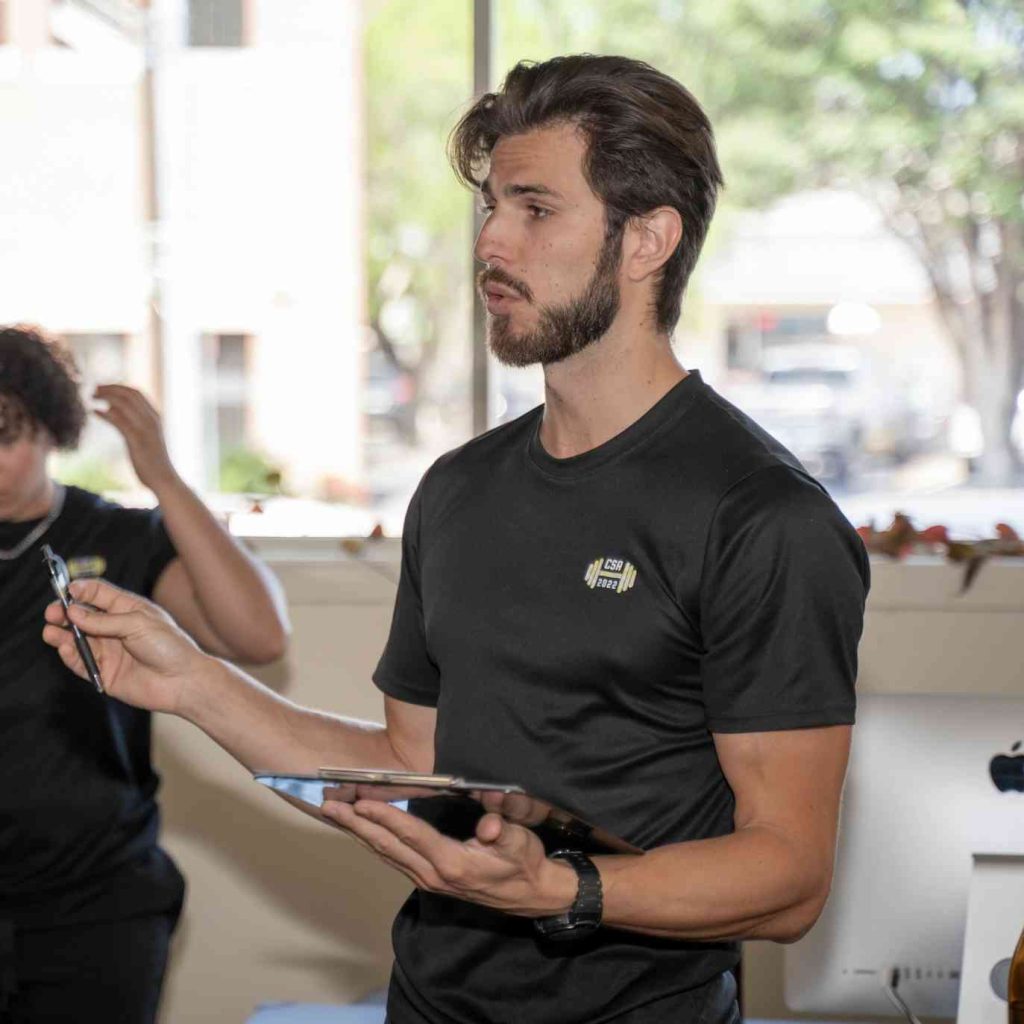
Your first session usually starts with a conversation, not a stretch. A good specialist will ask about your delivery, any pain or tightness you’re noticing, and what your goals are, whether that’s simply feeling less stiff or working toward a return to your regular workouts.
From there, sessions typically run 30 to 45 minutes. You’ll lie back while your specialist guides your limbs through a sequence of stretches, adjusting pressure and range based on how your body responds in real time. It should never feel painful. Mild discomfort during a deep stretch is normal; sharp or shooting pain is not, and it’s always fine to speak up.
Most postpartum clients find that consistency, rather than a single session, is what delivers the biggest results — think of it less as a one-time fix and more as a recovery habit.
Why Austin Moms Are Turning to Stretch Therapy for Recovery
Austin has one of the most active, fitness-minded communities in the country, and that culture doesn’t disappear just because you had a baby. A lot of new moms here are eager to get back to the hike-and-bike trail, their favorite workout class, or just chasing a toddler around the backyard without their hips screaming at them.
The challenge is that Austin’s heat and humidity for a good chunk of the year make outdoor recovery workouts trickier to plan around, and pushing back into activity too fast in the heat postpartum isn’t a great combination. That’s part of why more Austin moms are choosing structured, indoor recovery options like assisted stretch therapy that can be done consistently regardless of the weather outside.
If you’re searching for postpartum support in Austin, it’s worth looking for a provider who:
- Has real experience working with postpartum clients, not just general athletes
- Takes time to understand your delivery history and any complications
- Communicates with your OB/GYN or pelvic floor PT when needed
- Builds a plan tailored to you instead of running you through a generic routine
At Community Strength Austin, our stretch therapy program is offered alongside postpartum-specific personal training, so recovery isn’t approached as one isolated service — mobility, strength, and nutrition all work together.
One mom who came through our postpartum program put it simply: after months of feeling stiff and disconnected from her own body, having dedicated time each week to just breathe, stretch, and be guided through movement was the thing that finally made her feel like herself again — not just “getting through the day,” but actually present in her body.
Tips for Supporting Your Recovery Between Sessions
Stretch therapy works best as part of a bigger picture. A few simple habits can help you get more out of every session.
Move a little, often. Short walks, gentle stretching, or simply changing positions throughout the day keeps you from stiffening up between appointments.
Watch your feeding posture. Try to bring your baby up to you rather than hunching down to them, and use a pillow for support when you can. Your neck and shoulders will thank you.
Prioritize hydration and nutrition. Your body is still doing an enormous amount of repair work postpartum, and especially if you’re breastfeeding, staying hydrated and well-nourished directly supports how well your muscles and tissues recover.
Be patient with strength training. Once you and your provider agree you’re ready, ease back into strength work gradually, ideally alongside continued mobility work rather than jumping straight back into your pre-baby routine.
Frequently Asked Questions
How soon after birth can I start stretch therapy?
It depends on your delivery and recovery, but most providers suggest waiting until after your six-week postpartum checkup and getting clearance from your doctor first.
Can stretch therapy help with diastasis recti?
Stretch therapy alone won’t close a diastasis recti, since that requires targeted core rehabilitation, ideally guided by a pelvic floor physical therapist. However, it can help release compensating muscles and support better posture, which can make core rehab more effective.
Does stretch therapy help with postpartum back pain?
Many moms find relief from back pain through stretch therapy, since it targets the tight hips, hamstrings, and upper back muscles that often contribute to postpartum back discomfort. If pain is severe or persistent, it’s worth also checking in with your doctor.
How is stretch therapy different from postpartum personal training?
Stretch therapy focuses on flexibility and mobility, while postpartum personal training focuses on rebuilding strength safely. Most moms benefit from combining the two.
How often should I do stretch therapy after having a baby?
This varies by person, but many moms start with once a week and adjust based on how their body responds and how their schedule allows.
Start Your Postpartum Recovery Journey in Austin
Recovering from pregnancy and childbirth isn’t a straight line, and it doesn’t look the same for any two moms. But you don’t have to figure it out on your own, and you don’t have to just live with the tightness, soreness, and stiffness that so many new moms assume is permanent.
If you’re ready to start feeling more like yourself again, Community Strength Austin’s Revitalize & Recover stretch therapy program is a gentle, guided place to begin, whether on its own or alongside our postpartum personal training.
Book your free consultation today, and let’s build a recovery plan that actually fits your body and your season of life.