Skip to content

Have you ever stood in the middle of a gym, weights all around you, and had no idea what to actually do next?
If so, you are not alone. Most people who start a fitness routine hit this exact wall. They join a gym with good intentions, wander between machines, guess at a workout, and quietly hope it is working. Then, a few weeks later, motivation fades and the gym membership becomes an expensive line item on a bank statement.
This is where the question comes in: should you hire a personal trainer, or can you figure it out on your own?
There is no single right answer for everyone. But there is a clear way to think it through. In this guide, we will break down what a personal trainer actually does, who benefits most from one, what it costs, and how to know if you are ready to invest in a coach.
By the end, you should have a much clearer picture of whether personal training is the right next step for you.
What Does a Personal Trainer Actually Do?
A personal trainer is often pictured as someone standing next to you, counting reps and yelling “one more!” That is part of the job, but it is a small part.
A good personal trainer is closer to a coach and a strategist rolled into one. Their real job is to:
- Build a workout program based on your current fitness level, your goals, and any injuries or limitations
- Correct your form so you build strength safely instead of building bad habits
- Adjust your program over time using progressive overload, so your body keeps adapting instead of plateauing
- Keep you accountable to a schedule, instead of leaving your workouts to willpower alone
- Often, provide guidance on nutrition, since diet plays a huge role in results
This is different from following a generic plan you found online or copying someone’s routine from social media. A trainer designs a program around your body, not a stranger’s body. That distinction matters more than people expect, especially when injury history, mobility issues, or specific goals like muscle building or postpartum recovery are involved.
Signs You Might Actually Benefit From a Personal Trainer
Not everyone needs one-on-one coaching. But certain situations make hiring a trainer far more valuable than going it alone.
You have tried before and stalled out. If you have started and stopped a fitness routine more than once, the issue usually is not motivation. It is structure. A trainer removes the guesswork.
You do not know how to build a program. Knowing which exercises to do, how many sets and reps, and how often to train is a skill in itself. Getting this wrong is one of the biggest reasons people see slow or no results.
You have an injury or physical limitation. Bad knees, a previous surgery, chronic back pain, or postpartum recovery all require modified movement. A trainer can adjust exercises so you make progress without making an injury worse.
You are completely new to the gym. Walking into a gym for the first time can feel intimidating. A trainer gives you a starting point and removes the fear of “doing it wrong” in front of other people.
You have a specific, time-sensitive goal. A wedding, a competition, a season of sport, or a health event on the calendar changes the math. Structured coaching tends to get you there faster and with less wasted effort.
Your life stage calls for specialized programming. Training after pregnancy, training in your 40s and beyond, or training around an old injury all benefit from an expert who understands how to adapt a program safely.
Signs You Might Not Need One Right Now
To keep this honest, hiring a trainer is not the answer for everyone, and a good trainer will tell you that upfront.
- You already have a program that is working and you are seeing consistent progress
- You are self-motivated and do not struggle with consistency on your own
- Your budget genuinely will not allow for regular sessions right now
- You prefer the energy of group classes over one-on-one coaching
If any of these describe you, that is a completely valid path. One option worth considering is booking a small handful of sessions just to learn proper form and get a program built, then continuing on your own from there.
The Real Benefits of Hiring a Personal Trainer
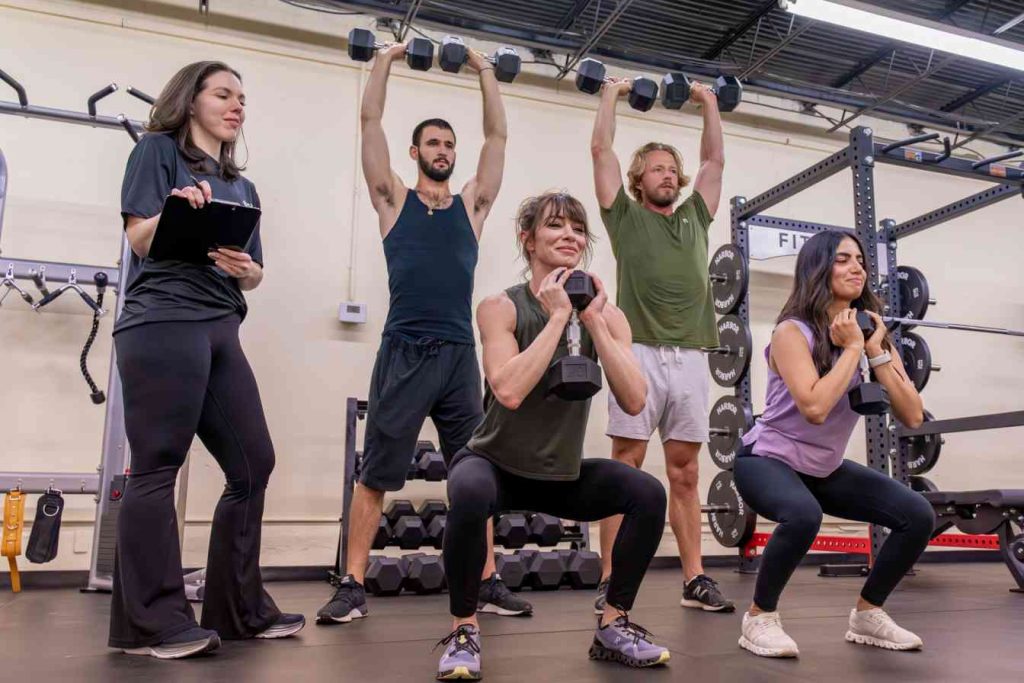
Here is where the investment tends to pay off, both physically and mentally.
Personalized Programming
Instead of a one-size-fits-all plan, your workouts are built around your goals, whether that is weight loss, muscle building, athletic performance, or general health and longevity. A trainer who does a proper assessment first, checking your movement patterns and any muscle imbalances, is working from real information instead of guesswork.
Faster, Safer Results
Proper form is not just about looking good doing an exercise. It is the difference between building strength and getting hurt. Many gym injuries come from poor technique, too much weight too soon, or a program that does not account for a person’s actual limitations.
Built-In Accountability
This might be the most underrated benefit. Research on goal accountability has found that people who commit their goals to another person and set up regular check-ins are dramatically more likely to follow through, compared to people trying to reach a goal entirely on their own. A scheduled session with a trainer creates a real appointment, not a vague “I’ll work out today if I feel like it.”
The numbers on solo fitness attempts back this up. Roughly half of new gym members stop showing up within their first six months, and a large share of people who set a fitness-related resolution abandon it within just a few weeks. The common thread in almost every case is not effort. It is the lack of structure and support to keep going once motivation naturally dips.
You Learn How to Train Yourself
A good trainer is not trying to make you dependent on them forever. Over time, you pick up real knowledge about exercise technique, programming, and recovery that you carry with you for life, even if you eventually stop training with them.
Nutrition Support
Exercise is only part of the equation. Many trainers, including certified coaches, are equipped to guide you on calorie targets, macronutrient balance, and meal timing to support your specific goal. This is not a replacement for a registered dietitian, but for most people chasing fat loss or muscle gain, this kind of practical nutrition coaching closes a major gap that workouts alone cannot fix.
For more guidance on structuring your sessions, check out our article on how many times a week you should train with a personal trainer. It can help you find the right frequency to match your goals and lifestyle.
Common Myths About Personal Training
A lot of hesitation around hiring a trainer comes from outdated assumptions. Let’s clear a few up.
“Personal trainers are only for athletes or bodybuilders.” In reality, most personal training clients are everyday people: busy professionals, parents, beginners, and people recovering from injury. Advanced athletes are actually a small slice of the personal training world.
“It’s too expensive for someone like me.” Cost is a real factor, but it is worth comparing to what you are currently spending on gym memberships, supplements, or fitness apps that are not producing results. Semi-private training, where you train alongside one or two other people, is often a more affordable middle ground that still includes expert coaching.
“I’ll be embarrassed because I’m out of shape.” This is one of the most common concerns trainers hear, and it is almost always unfounded. Coaches work with beginners constantly. Many clients who start personal training have little to no gym experience at all.
“I can just learn everything from social media.” Free content can teach you exercises, but it cannot assess your body, correct your form in real time, or adjust your program when something is not working. A video cannot watch your squat and tell you your knee is caving in.
How Much Does a Personal Trainer Cost?
Pricing varies quite a bit depending on location, session length, and format. A few general factors that affect cost:
- One-on-one training tends to be the most personalized and typically the higher end of the price range
- Semi-private or small group training splits the cost of a trainer’s time across a few people, making expert coaching more affordable per session
- Online or remote coaching is often the lowest-cost option, useful for people outside a trainer’s local area
- Session length and frequency both affect the total monthly investment
Rather than looking at cost in isolation, it helps to think about cost per result. A membership you are not using, or a program that leads to an injury and months of recovery, often ends up more expensive than a trainer who gets you there efficiently and safely.
Personal Trainer vs. Other Options
| Option | Best For | Watch Out For |
|---|---|---|
| Training alone | Experienced, self-motivated exercisers | No feedback on form, easy to plateau |
| Fitness apps | Budget-conscious, tech-comfortable users | Generic programming, no real-time correction |
| Group fitness classes | People who love community energy | Less individualized attention |
| Semi-private training | Balance of cost and personalization | Slightly less 1-on-1 time than private sessions |
| 1-on-1 personal training | Beginners, injury recovery, specific goals | Highest cost per session |
There is no universally “best” option here. It comes down to your budget, your personality, and how much individual attention your goal requires.
How to Know If a Trainer Is Actually Good

Not all trainers operate the same way, so it is worth knowing what separates a strong coach from a mediocre one.
Certifications matter. Look for credentials from recognized organizations such as the American Council on Exercise (ACE) or the National Strength and Conditioning Association (NSCA). These certifications confirm a baseline level of education and competency.
Experience and specialization count. Ask how long they have been training clients and whether they have experience with goals similar to yours, whether that is fat loss, muscle building, or postpartum recovery.
A real assessment should happen first. A trainer who skips straight to handing you a workout without evaluating your movement, mobility, or imbalances is guessing, not coaching. A proper biomechanics assessment upfront helps prevent injuries before they happen and avoids wasted time on a plan that is not right for your body.
Compatibility matters more than people expect. You will spend hours with this person. Their coaching style, whether direct and intense or patient and encouraging, needs to match what actually keeps you motivated.
Red flags to watch for include no initial assessment, copy-paste workout templates, zero nutrition guidance, and no clear way of tracking your progress over time.
What to Expect From Your First Session or Consultation
A well-run training program usually starts with a simple process before any workouts begin:
- A short discovery call to talk through your goals and see if the trainer and program are a good fit
- A personalized roadmap outlining a step-by-step plan specific to your situation
- A biomechanics assessment to identify any imbalances or movement issues before they turn into injuries
This upfront process exists so that your very first real workout is already built around you, instead of a generic template you are trying to force your body into.
For more guidance on finding the right fit, check out our comprehensive guide on how to choose the perfect personal trainer. It covers everything you need to make a confident, informed decision that aligns with your goals.
Questions to Ask Yourself Before Deciding
Before making the call, run through this quick self-check:
- Have I tried to do this on my own and stalled out more than once?
- Do I have an injury or physical limitation I am not confident navigating alone?
- Do I stay consistent without someone else holding me accountable, or do I need that structure?
- Is my goal tied to a deadline, like an event or a health milestone?
- Can I realistically commit to two or three sessions a week?
If you answered yes to two or more of these, hiring a trainer is likely to save you time, frustration, and possibly injury, compared to figuring it all out solo.
Real Results: What Working With a Trainer Can Actually Look Like
Numbers and theory are useful, but real client outcomes tell the fuller story.
At Community Strength Austin, one client named Jack lost 60 pounds in 39 weeks working through a structured, coached program. That is not a fluke result. It reflects what consistent programming, accountability, and nutrition guidance can do when they are combined instead of attempted separately.
Client feedback echoes the same themes again and again. One client described her trainer as engaged and knowledgeable, noting that her workouts were tailored specifically to correct movement imbalances while adding muscle, with faster results than she expected.
Another client praised how her trainer combined a challenging but achievable program with genuine attention to nutrition, something she felt had been missing at other gyms she had tried.
A third client, new to structured training entirely, said that within about a month of consistent sessions, she was already seeing meaningful progress thanks to workouts built specifically around her needs.
These are not one-off stories. They reflect a pattern that shows up across hundreds of client reviews: structure plus accountability plus expert guidance tends to produce results that solo effort alone usually cannot match.
Who Personal Training Is Best For in Austin

Austin has a genuinely active culture, from running trails along Lady Bird Lake to a packed calendar of outdoor fitness events. But that same active energy can make the gym world feel more intimidating for beginners, or make it harder for busy professionals to find time to train with any real structure.
Personal training tends to be an especially strong fit for:
- Busy professionals who need efficient, focused sessions instead of wasted gym time
- New or expecting parents looking for postpartum-safe programming
- People recovering from an injury who need modified movement
- Complete beginners who want guidance without the intimidation factor
- Companies looking to build employee wellness through corporate training programs
Final Verdict: How to Make the Decision
Here is the simplest way to think about it. If you have the structure, motivation, and knowledge to train safely and consistently on your own, you may not need a trainer right now. But if you are stuck, unsure where to start, dealing with an injury, or simply tired of inconsistent results, a certified personal trainer is very likely worth the investment.
The goal is not to figure out the universal “right” answer. It is to figure out what is right for you, your body, your schedule, and your budget.
Ready to Find Out What’s Right for You?
The easiest way to answer this question for yourself is not to keep debating it alone. Book a free consultation with Community Strength Austin, and a certified trainer will walk through your goals, assess your movement, and build a personalized roadmap so you know exactly what a program built around you would actually look like.
Frequently Asked Questions
Is hiring a personal trainer really worth the money?
For most people who struggle with consistency, proper form, or knowing how to structure a workout, yes. The combination of accountability, expertise, and a personalized plan tends to produce faster and safer results than training alone.
How many sessions per week should a beginner do?
Two to three sessions per week is a common starting point for most beginners, though the right number depends on your goals, schedule, and recovery needs.
Can a personal trainer help with both weight loss and muscle building?
Yes. A trainer can build a program that supports fat loss while also focusing on strength and muscle development, especially when paired with proper nutrition guidance.
Do personal trainers help with nutrition too?
Many do, offering guidance on calorie intake, macronutrients, and meal timing. This is not a replacement for a licensed dietitian, but it does provide practical, day-to-day support that complements your training.
How do I know if a trainer is properly certified?
Look for certifications from recognized organizations like ACE or NSCA, and do not hesitate to ask directly about their credentials and experience with clients who share your goals.
Is it normal to feel nervous about starting personal training?
Completely normal, and extremely common. Most clients who start personal training have little to no prior gym experience, and a good trainer is used to helping people get comfortable from session one.